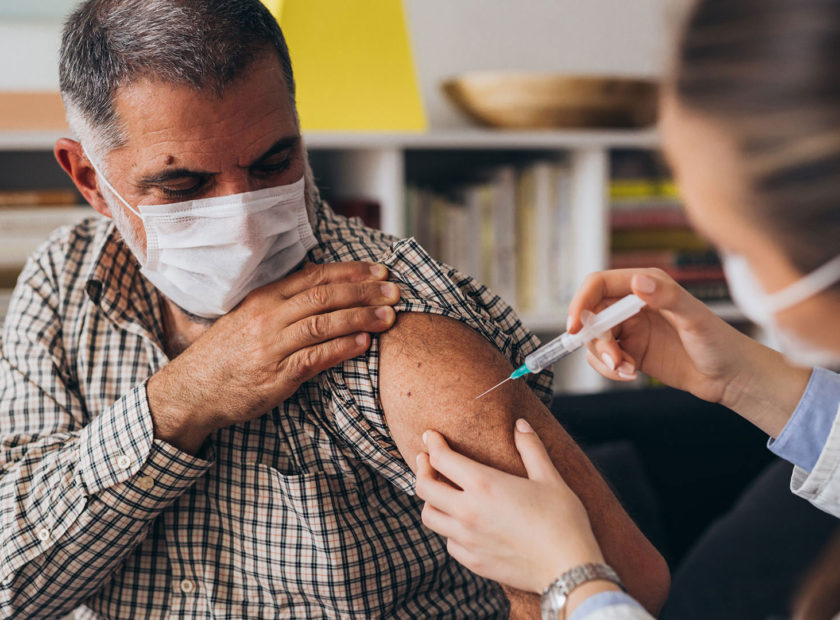
Receiving a diagnosis of HIV (Human Immunodeficiency Virus) and diabetes can be overwhelming and challenging for anyone. These two health conditions require proper management and ongoing care to maintain a good quality of life. Although it may seem overwhelming at first, it is important to remember that you are not alone and that there are steps you can take to effectively cope with both diagnoses. In this article, we will explain some recommendations and strategies to help you manage the coexistence of HIV and diabetes.
Seek specialized medical care:
-
- It is crucial to seek specialized medical care from professionals familiar with managing both conditions. An interdisciplinary medical team, including a physician specializing in HIV and an endocrinologist or diabetologist, will be able to provide you with the best care and guidance in managing both diseases.
Contact your healthcare team:
-
- Maintain open and honest communication with your healthcare team. Discuss your concerns, symptoms, and any changes in your health. Work closely with them to develop a personalized treatment plan that addresses both HIV and diabetes.
Education about HIV and diabetes:
-
- Learn about both diseases to better understand their impact on your health and how to manage them. Learn about antiretroviral medications used for HIV and how they interact with diabetes medications. Gain knowledge about proper diet and exercise to keep blood sugar levels stable.
Adhere to treatments and medications:
-
- Strictly follow the treatment plan prescribed by your doctors. Take your antiretroviral and diabetes medications as directed. Remember that skipping doses or interrupting treatment can have serious consequences for your health.
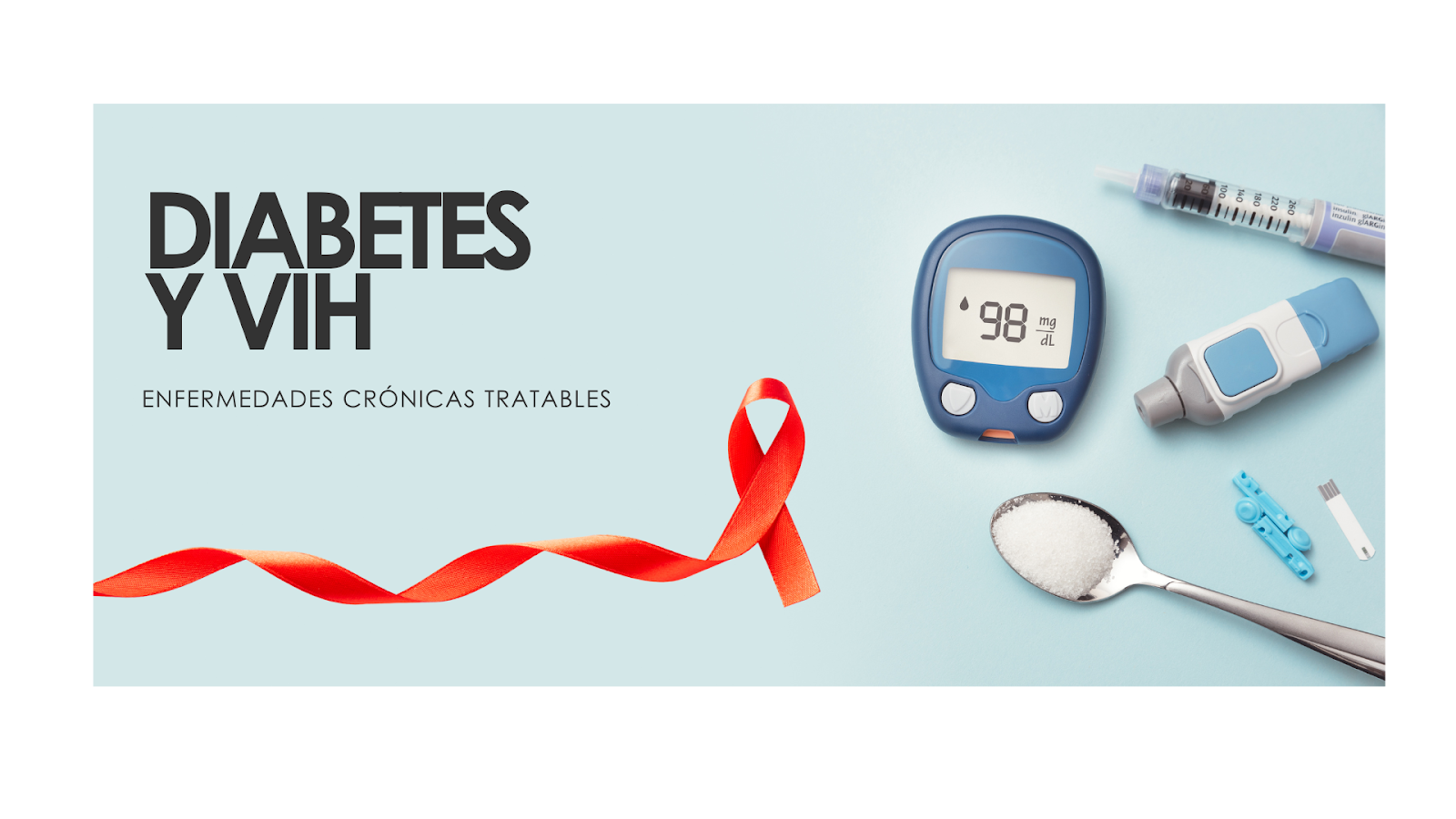 Healthy eating and physical activity:
-
- A balanced diet and regular exercise are essential for managing diabetes. Work with a nutritionist to create a meal plan that fits your specific needs, taking into account any medications and dietary restrictions related to HIV. Incorporate regular physical activity, under medical supervision, to help control blood sugar levels and improve your overall well-being.
Constant health monitoring:
-
- Regularly monitor your blood sugar levels, HIV viral load, and CD4 counts. Keep your scheduled medical appointments and have the recommended lab tests done. Constant monitoring will allow you to detect any changes or complications early on and take appropriate action.
Emotional and psychological support:
-
- Receiving a diagnosis of HIV and diabetes can be distressing. Seek emotional and psychological support from support groups, friends, family, or mental health professionals. The right support can help you cope with the stress and anxiety related to your health conditions.
Coping with an HIV and diabetes diagnosis can be challenging, but with proper medical care, education, adherence to treatment, and self-care, it is possible to maintain a good quality of life. Remember that you are not alone and that there are resources and professionals available to help you along the way. Take advantage of the support around you and seek reliable information to make informed decisions about your health.
By: Centro Ararat

Related Posts