
Words are very powerful; they carry meanings greater than themselves. There are people like me who remember people by their phrases, and we even remember important words like a file of memories.
The words we use can have a huge impact on people's behavior and perceptions. A few weeks ago, I came across a graph that suggested that people choose to be obese, that some people prefer to live an overweight life with all the difficulties that this can entail...and I thought about the power of those words.
Healthcare professionals are not immune to using inappropriate language when evaluating and educating our patients. To address this, some organizations, such as the American Diabetes Association, have created guidelines with recommendations for words to use when talking to and addressing people living with diabetes. Other organizations involved in this movement include the Centers for Disease Control and Prevention (CDC), which offers multiple guidelines and strategies for communicating with empathy toward others.

Having said all this, it is important to evaluate ourselves, to see what words we use and what words we allow others to use with us. If you follow a health professional who makes you feel guilty because you don't consume certain products, if you feel bad because it is physically impossible for you to perform a particular exercise, or if your economic situation prevents you from following a certain diet. Then perhaps it is time to evaluate whether we are following the right people, whether we are receiving services from the right person, whether we have the right support group. The people we surround ourselves with should make us feel heard and understood, not judged or discriminated against.
Here are some tips:
- Evaluate how the content or advice you read on a social media platform makes you feel.
- Ask yourself, how do you feel after receiving advice about your diet? Do you feel like you are learning or do you feel guilty?
- Under no circumstances should improving our eating habits feel like a punishment.
- Does what I read or receive to improve my diet fit my reality? Does it fit my budget?
It happens to all of us; we all have to keep learning. That is why we must learn to evaluate and monitor the words we allow and use.
Together we can make a difference.
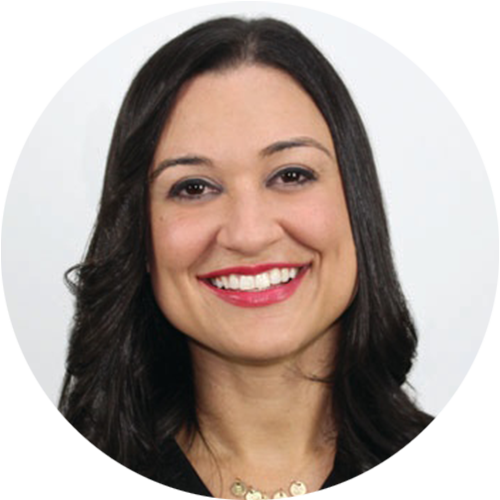
The author is a nutritionist at Centro Ararat. You can follow her on social media


Related topics