
By: Tito Orlando Ortiz, MPHE

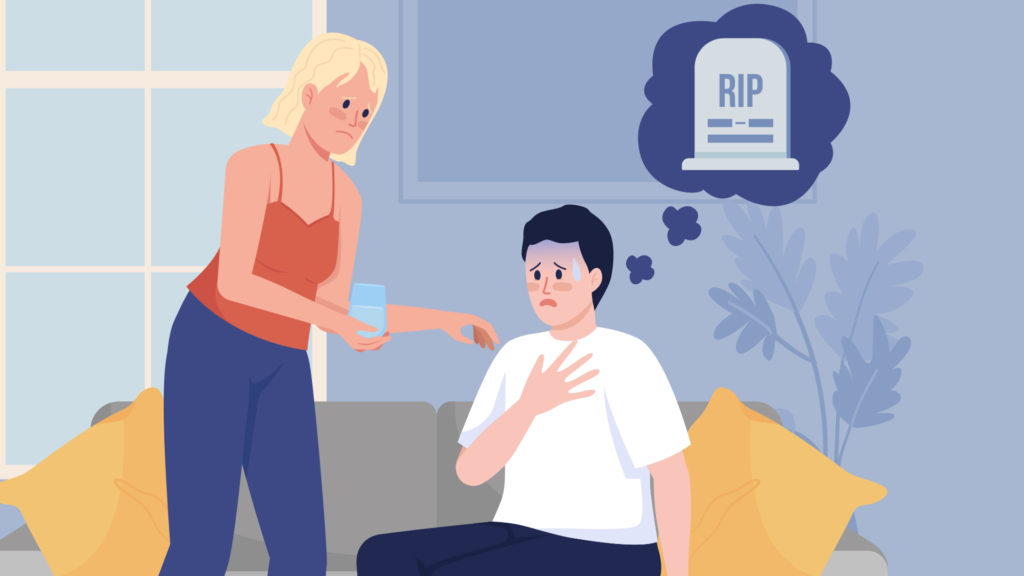
Panic attacks can occur suddenly, without warning, and in most cases, people fear for their lives.
It is a short episode, but it is intense; so intense that the vast majority of people think they are going to die and go to the hospital," said Dr. Iván Báez, a psychologist at Centro Ararat.
The mental health specialist explained that panic attacks often include some of these signs or symptoms:
- Feeling of imminent danger or doom
- Fear of losing control or death
- Tachycardia and palpitations
- Sweat
- Tremors or shaking
- Shortness of breath
- Chills
- Hot flashes
- Nausea
- Abdominal cramps
- Chest pain
- Headache
- Dizziness, feeling faint, or fainting
- Tingling sensation
"In addition, there are two elements that are realization and personalization that may also exist. Realization is when the person begins to see their surroundings moving, and personalization is an element where the person feels that they are outside their body and observing themselves," added the psychologist.
Likewise, most people who experience panic attacks are afraid that they will happen again, said the doctor. "Some people who experience panic attacks may develop agoraphobia, not all, but some do. Agoraphobia is a person's fear of being in crowded places or enclosed spaces where there are many people. Why does the person have agoraphobia? Because the person believes they will have a panic attack in that place," he said.
Although the specific cause of panic attacks is unknown, here are some factors that may influence them, according to the Mayo Clinic:
- Genetics
- High level of stress
- More sensitive to stress and negative emotions
- Certain changes in the way parts of the brain function
If you are experiencing or have experienced panic attacks and would like to seek help from a mental health specialist, you can schedule an appointment with a psychologist at Centro Ararat clinics Centro Ararat calling (787) 296-8888.
The content on this page is for educational and informational purposes only. It does not replace or substitute for a consultation with a doctor or other healthcare professional.


Related topics