By Gladysmaría Figueroa, MD
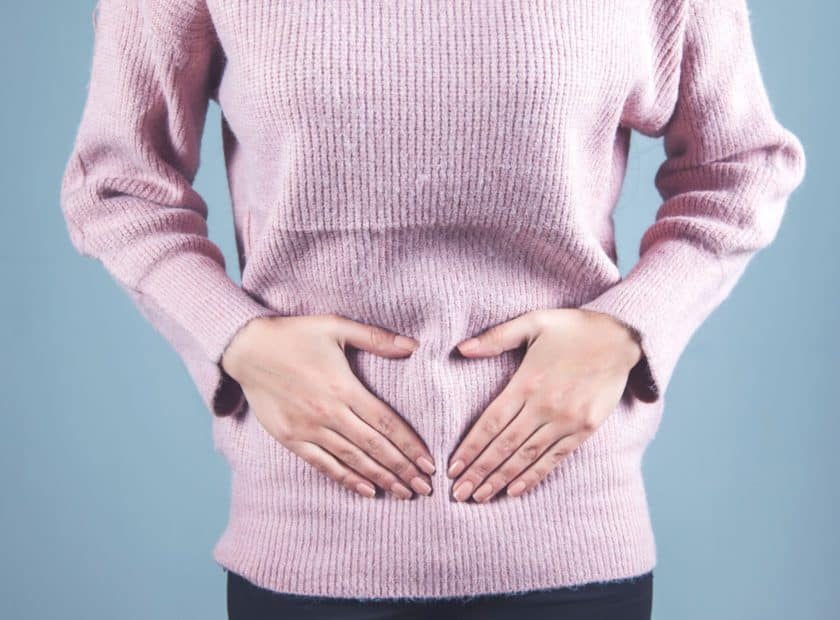
Endometriosis, whose World Day is celebrated every March 14, occurs when tissue similar to that found in the endometrium (the lining of the uterus) grows outside of it. This tissue responds to hormonal changes during menstruation, causing pain depending on where it is located.

This condition is common among women of reproductive age. Furthermore, it is estimated that in the United States, 1 in 7 women will be affected by endometriosis, according to the federal Department of Health website. Although it is a benign condition, it affects women who suffer from it both emotionally and physically.
Some of the most common symptoms of this condition are pain during menstruation, pelvic pain, discomfort during sexual intercourse, urinary and gastrointestinal problems, and infertility. Despite the large number of symptoms, diagnosis is often delayed by 6 to 10 years and requires multiple medical consultations.
Since it is normal to feel pain during menstruation, many people do not see it as a warning sign and only seek help when they are unable to get pregnant. The pain can be so severe that it causes disability for several days a month. In many cases, they are evaluated and, since no abnormalities are detected in the tests, it is thought that there is nothing wrong. A negative test does not mean that the person does not have endometriosis.
On the other hand, the causes of this disease are still unknown. Here are some of the most common theories:

- Part of the tissue breaks away during the menstrual period and travels through the fallopian tubes to other parts of the body, such as the pelvis.
- Genetic factors – There is a genetic predisposition.
- Immune system problems. A weak immune system may not be able to detect and destroy endometrial tissue growing outside the uterus.
Symptoms and physical examination may suggest the presence of endometrial tissue, so medical treatment can be started on suspicion of endometriosis. Laparoscopy is a method used to confirm endometriosis by visualization, and a biopsy of the abnormal tissue is performed. Laparoscopy is usually performed in patients who do not improve with treatment or who wish to become pregnant and endometriosis is suspected.
However, there are several treatment options that can help control symptoms and increase the chances of becoming pregnant. The first line of treatment is anti-inflammatory drugs and contraceptive hormones. This can control menstruation and even stop it for a while.
There are other treatments that cause temporary menopause and thus control endometriosis. Exercise and a balanced diet are also recommended. On the other hand, there are alternative medicine therapies such as yoga and meditation, acupuncture, chiropractic treatment, herbs such as cinnamon sticks or licorice root, or supplements such as thiamine (vitamin B1), magnesium, or omega-3 fatty acids. However, the definitive treatment is to remove the uterus and ovaries.
This condition can last until menopause, since when hormone levels drop, menstruation stops and there is no stimulation of the tissue outside the uterus, but adhesions and pain may persist.
What do I recommend to patients? That they seek alternative treatments to improve their pain and quality of life, whether alternative or traditional medicine.
If you think you have these symptoms and could have endometriosis, find a doctor who is willing to keep looking and give you the correct diagnosis.
The author is an obstetrician-gynecologist at Centro Ararat.

Related topics