Heme iron
Heme iron, found in animal-based foods, is absorbed more efficiently than non-heme iron.
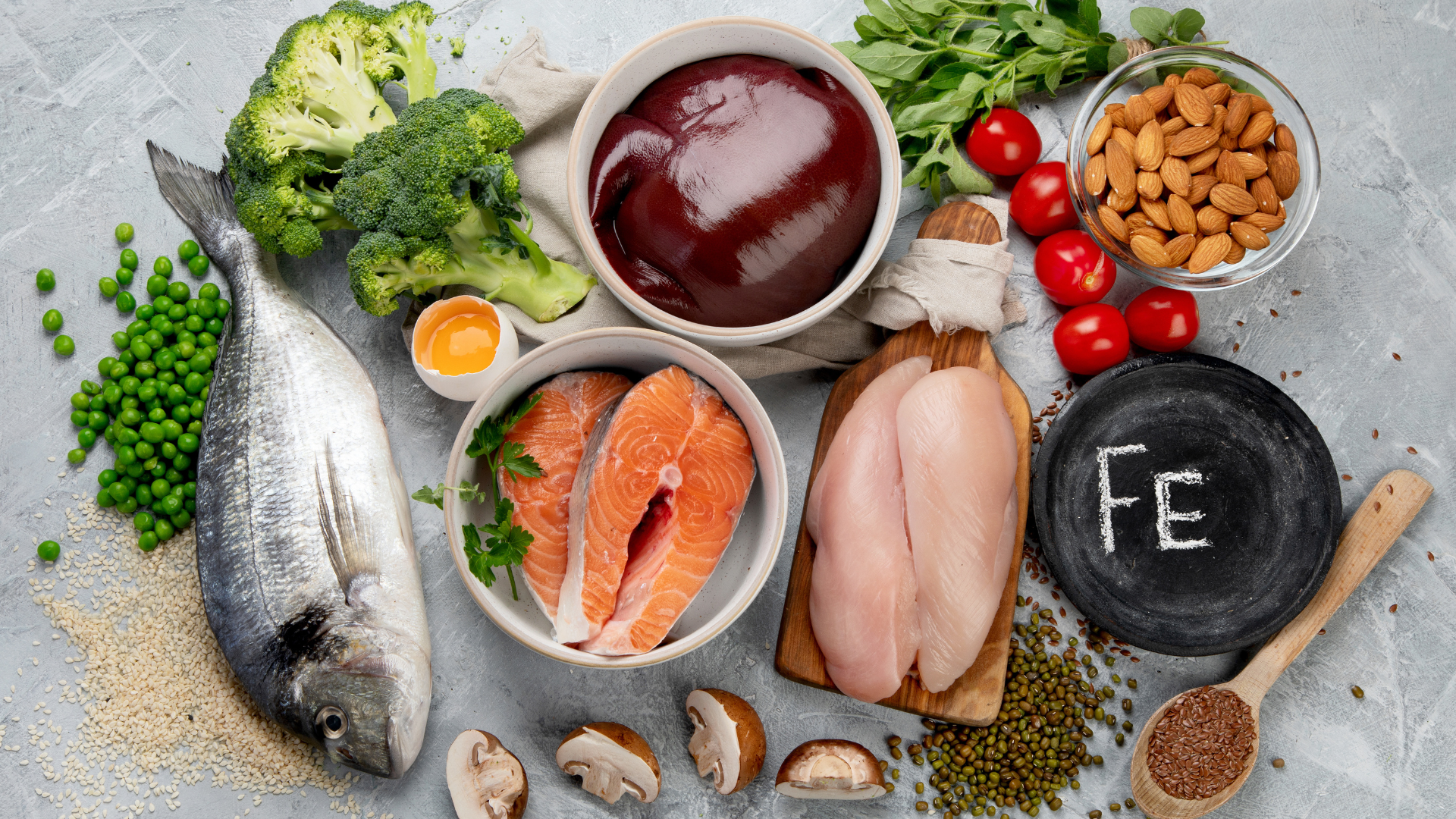
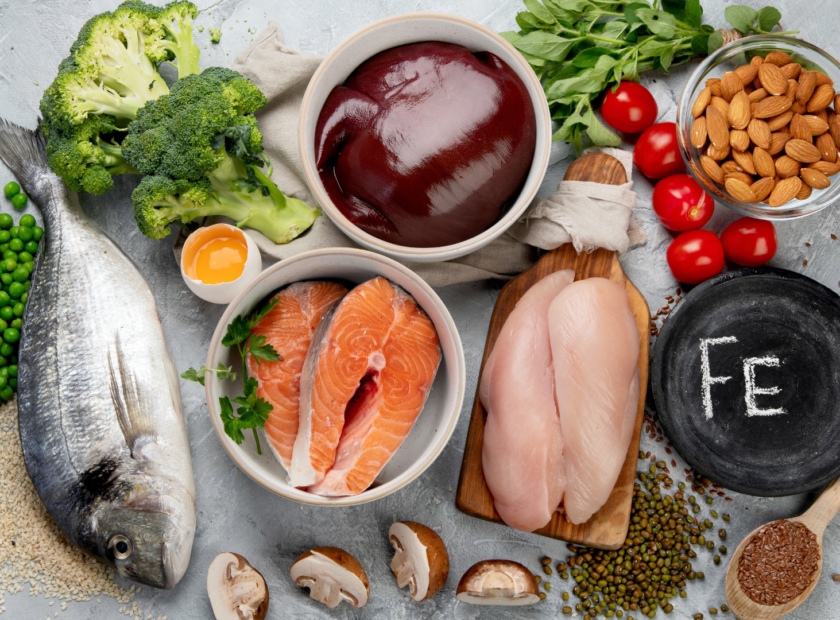
The dietary sources richest in heme iron are:
- oysters
- liver
- lean red meats (especially beef)
- poultry (dark red meat)
- tuna
- salmon
The least rich sources are:
- lamb
- pig
- seafood
- eggs (especially the yolks).
Non-heme iron
Non-heme iron is more difficult for the body to absorb. Foods containing vitamin C improve the absorption of non-heme iron and should be consumed at the same time as an iron-rich food or meal. The presence of heme iron in food also improves the absorption of non-heme iron.
Non-heme iron sources are:
- iron-fortified cereals
- dried beans
- whole grains (wheat, millet, oats, brown rice)
- legumes (lima beans, soybeans, dried beans and peas, beans)
- nuts (almonds, Brazil nuts)
- dried fruits (especially prunes, raisins, apricots),
- Green vegetables (broccoli, spinach, kale, cabbage, asparagus, dandelion greens)
The substances that delay the absorption of non-heme iron are as follows:
Oxalic acid, found in raw spinach and chocolate
- Phytic acid, found in bran and beans (legumes)
- Tannins, found in black tea or commercial pekoe
- Polyphenols, found in coffee
- Calcium carbonate supplements
Tips for increasing iron intake:
The amount of iron absorbed by the body varies depending on several factors. For example, the body will absorb more iron-rich foods when reserves are low and will absorb less when reserves are sufficient.
In addition, use these tips to improve absorption:
- Include heme and non-heme iron in the same meal.
- Include a food rich in vitamin C in a meal.
- Drink coffee or tea between meals instead of during meals.
- Cook acidic foods in cast iron pots, which can increase the iron content of foods up to 30 times.