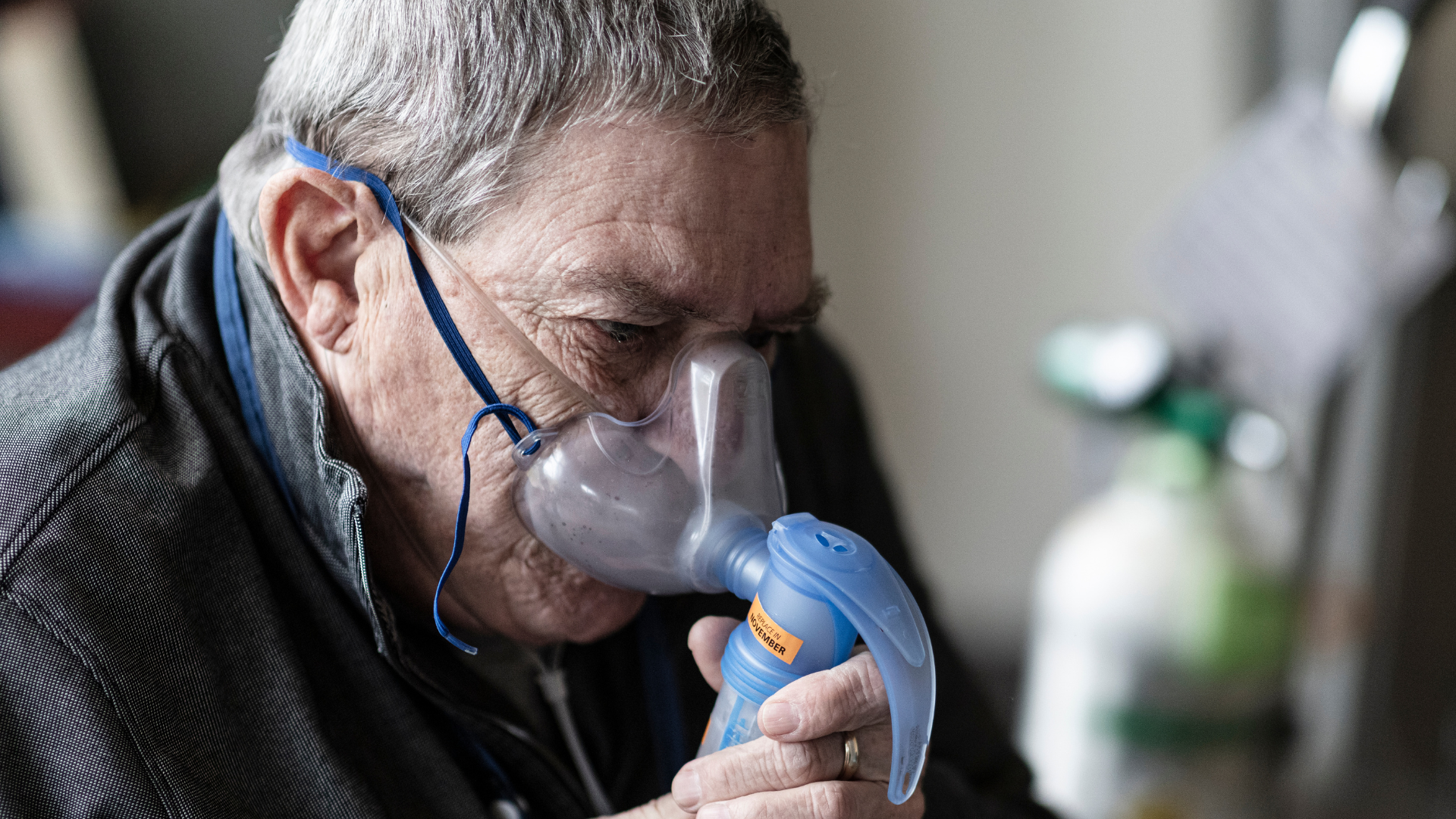
Understanding chronic illness is the first step toward managing it effectively. Both patients and their families should seek accurate and reliable information about the illness in question. This includes learning about symptoms, possible complications, and available treatment options. Education helps people make informed decisions and actively participate in their healthcare.
- Collaboration with Healthcare Professionals
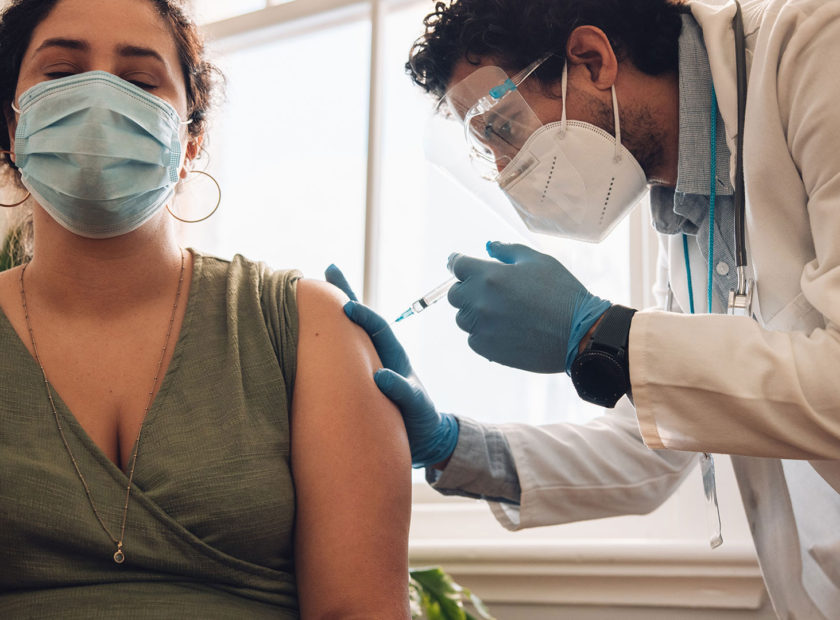
The role of the medical team is fundamental in the management of chronic diseases. Working closely with doctors, nurses, nutritionists, and other health professionals ensures a comprehensive approach. Developing a personalized treatment plan, including medication, lifestyle changes, and regular follow-up, is essential to keeping the disease under control.
Adopting a healthy lifestyle can make a difference in managing chronic diseases. This involves eating a balanced diet, exercising regularly, and avoiding harmful behaviors such as smoking and excessive alcohol consumption. Maintaining a healthy body weight and managing stress are also key elements in improving quality of life.
Adherence to treatment is crucial for successful management of chronic diseases. This includes taking medications as directed, attending scheduled medical appointments, and following the recommendations of the healthcare team. Open communication with healthcare professionals about any difficulties or concerns helps to adjust the treatment plan as needed.
- Emotional and Social Support
Coping with a chronic illness can be emotionally challenging. Having the support of friends, family, or support groups can be crucial. Sharing experiences with people facing similar challenges provides a valuable support network and helps overcome feelings of isolation.
- Continuous Monitoring and Adjustment of the Treatment Plan
Regular health monitoring is essential to assess the effectiveness of treatment and make adjustments if necessary. This involves performing periodic medical tests, monitoring glucose levels, blood pressure, or other relevant indicators depending on the specific disease. Changes to the treatment plan may be necessary over time to adapt to the patient's changing needs.
Dealing with chronic diseases requires a comprehensive approach that includes education, collaboration with healthcare professionals, adopting a healthy lifestyle, adherence to treatment, emotional and social support, and continuous health monitoring. By implementing these strategies, people can improve their quality of life and live more fully despite chronic diseases.
By: Centro Ararat