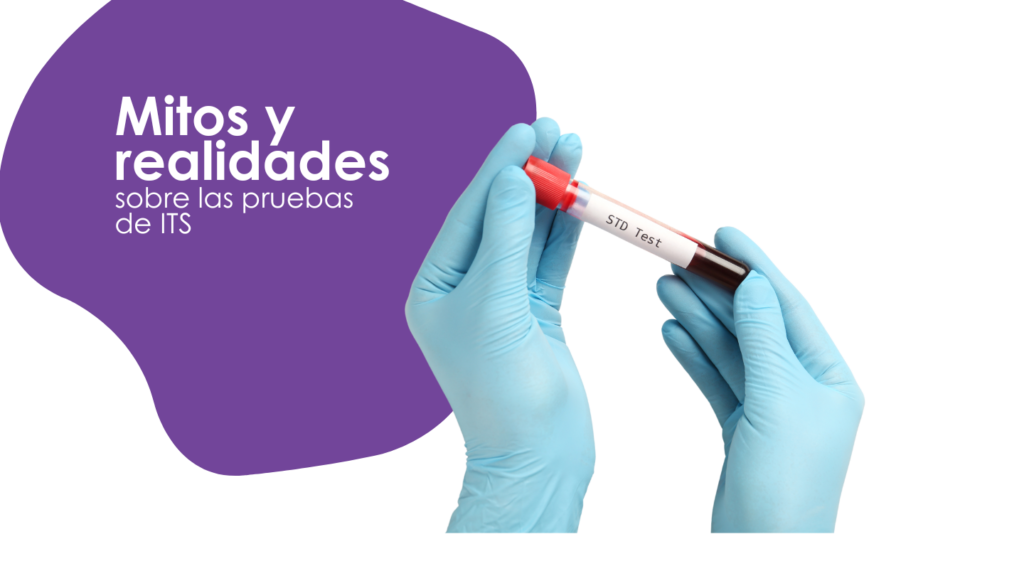
In the current context of sexual health, testing for sexually transmitted infections (STIs) is essential for self-care and prevention. However, many myths and misconceptions surrounding these tests persist. Below, we will explore some of the most common myths and highlight the importance of STI testing in promoting sexual health.
Myth #1: STI testing is only for promiscuous people. Fact: STIs can affect anyone who is sexually active, regardless of their sexual history. According to the Centers for Disease Control and Prevention (CDC), about half of all new STI diagnoses occur in people under the age of 25, underscoring the importance of testing in this population.
Myth #2: STI testing is uncomfortable and embarrassing. Fact: STI testing is a routine medical procedure performed in a confidential and respectful environment. As Planned Parenthood points out, testing is usually simple and quick, and healthcare professionals are trained to provide support and understanding throughout the process.
Myth #3: If I don't have symptoms, I don't need to get tested for STIs. Fact: Many STIs, such as chlamydia and gonorrhea, can be asymptomatic in their early stages. Therefore, regular testing is essential to detect and treat these infections before they cause damage or are transmitted to others.
Myth #4: STI testing is expensive and difficult to access. Fact: In many places, STI testing is free or available at low cost at public health clinics, community centers, and doctors' offices. In addition, at-home self-testing options are becoming increasingly available and affordable.
Myth #5: STI testing is only for LGBTQ+ people. Fact: STIs do not discriminate based on sexual orientation. Anyone who is sexually active can contract an STI, regardless of their sexual orientation.
STI testing is a vital tool for protecting sexual health and preventing the spread of disease. By explaining the myths and realities surrounding these tests, we can foster greater awareness and promote positive sexual health. Getting tested is not only an act of self-care, but also an act of responsibility toward oneself and others.