Dr. Gladysmaría Figueroa
Gynecologist at Centro Ararat
Discomfort, pain, swelling, and bleeding are factors that affect women every month when their period arrives.
Throughout their reproductive years, women may experience approximately 2,400 menstrual cycles. This represents a total use of 12,000 sanitary pads. That is more than 120 pounds of waste that will take nearly 500 years to biodegrade.
Although during those days, women may not be concerned about the environment, it is good to keep in mind that there is a product that is both more hygienic and eco-friendly: the menstrual cup.
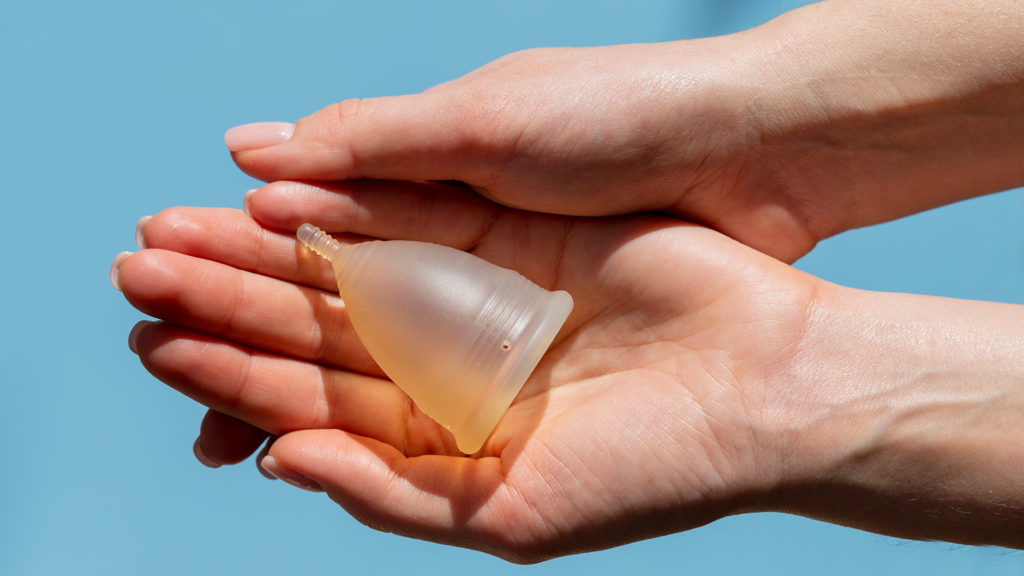
The menstrual cup is a small, flexible cup made of silicone or latex that collects menstrual fluid. They are a safe and effective option that reduces waste and pollution. Cups are not new to the market, as they have been around since the 1930s. The first menstrual cup for use in the United States was manufactured in 1987.
How does it work?
Instead of absorbing blood flow like pads and tampons, menstrual cups collect it. They are inserted folded into the vagina, where they will open and rest against the vaginal walls. They should form a seal to prevent leaks. They are emptied every four to 12 hours. To remove it, you can push and pull on the stem that protrudes and pinch the base to release the seal. Then you just have to empty the contents, wash it with soap and water, and reinsert it. At the end of your cycle, you can sterilize the cup in boiling water.
Advantages of its use
It is environmentally friendly and economical. It is a reusable cup that costs between $30 and $40 and can last up to 10 years. That means less waste and pollution on the planet.
You can leave it on for up to 12 hours, but the caps can stay on longer, making them good for overnight protection.
It has more capacity. A menstrual cup can hold one ounce of fluid, approximately twice as much as a tampon or super-absorbent pad.
Allows you to have sex without any problems – Most silicone and rubber menstrual cups must be removed before having sex. There are disposable cups that are designed with sex in mind. They resemble a diaphragm, so they are dome-shaped. They hold and collect blood, and your partner cannot feel them.
The cup controls unpleasant odors. Menstrual blood can start to smell when exposed to air, but the cup forms a seal that prevents this from happening.
Disadvantages
It can be difficult to find the right fit. Cups are available in different sizes depending on your age, flow, and whether you have had children. You may need to try several, and in the meantime, you may experience leaks.
Although it may be easy to insert the cup, removing it can be complicated.
Some manufacturers do not recommend using a menstrual cup if you have an intrauterine device (IUD), as there is a possibility that the cup could dislodge it.
How to determine the size
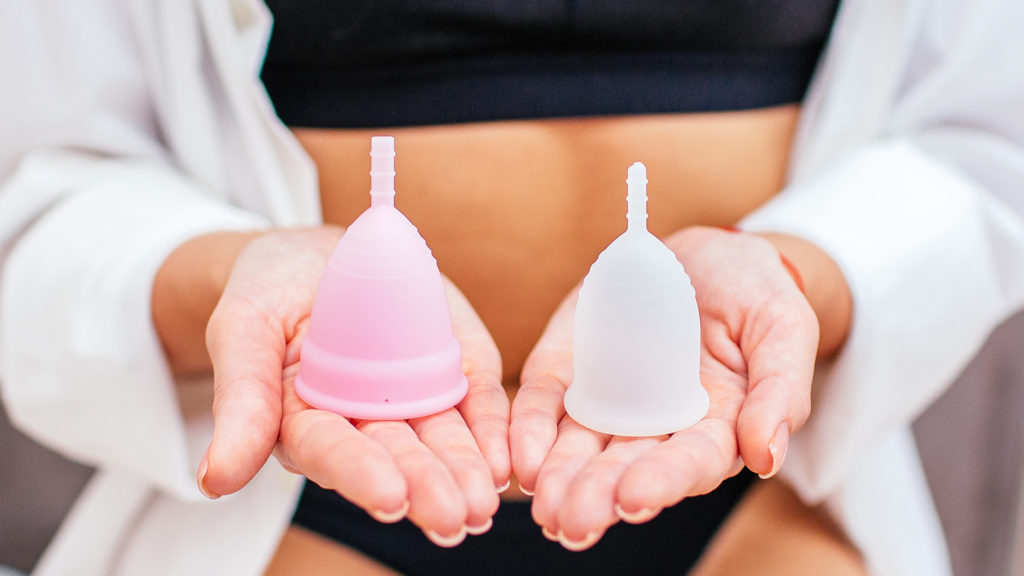
Most menstrual cup brands come in 2-3 sizes. To determine the right menstrual cup size, you should consider the following: your age, your physical build (whether you are petite or large), pelvic relaxation, childbirth, amount of menstrual flow, firmness and flexibility of the cup, and cup capacity.
Smaller menstrual cups are generally recommended for women under 30 who have not given birth vaginally. Larger sizes are often recommended for women who are over 30, have given birth vaginally, or have a heavier period.
How to insert a menstrual cup
Follow these steps:
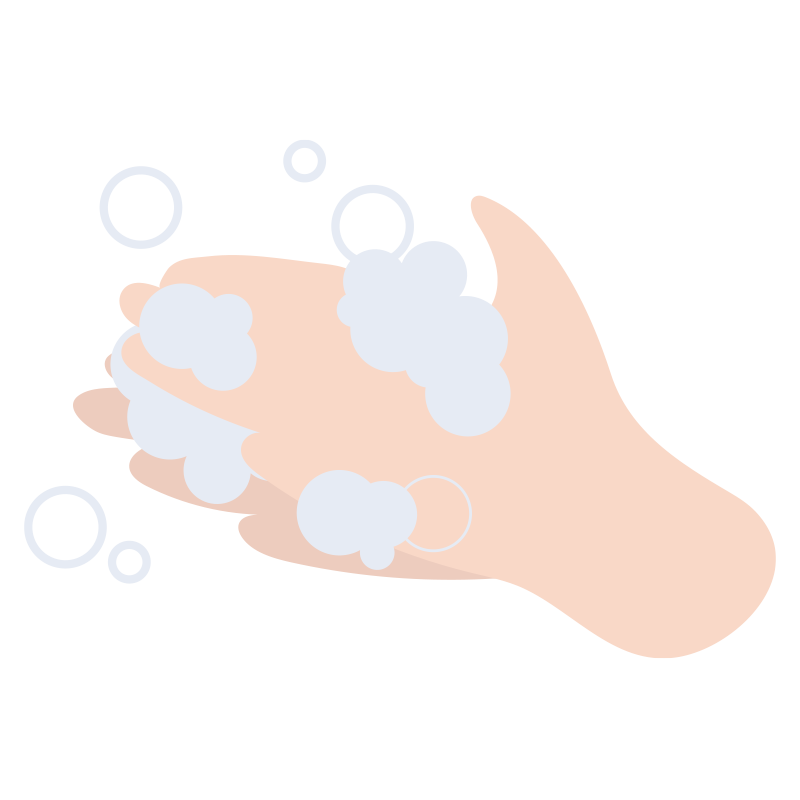
- Wash your hands thoroughly.
- Lubricate the rim with water or a water-based gel.

- Fold the menstrual cup in half, holding it in one hand with the rim facing up.
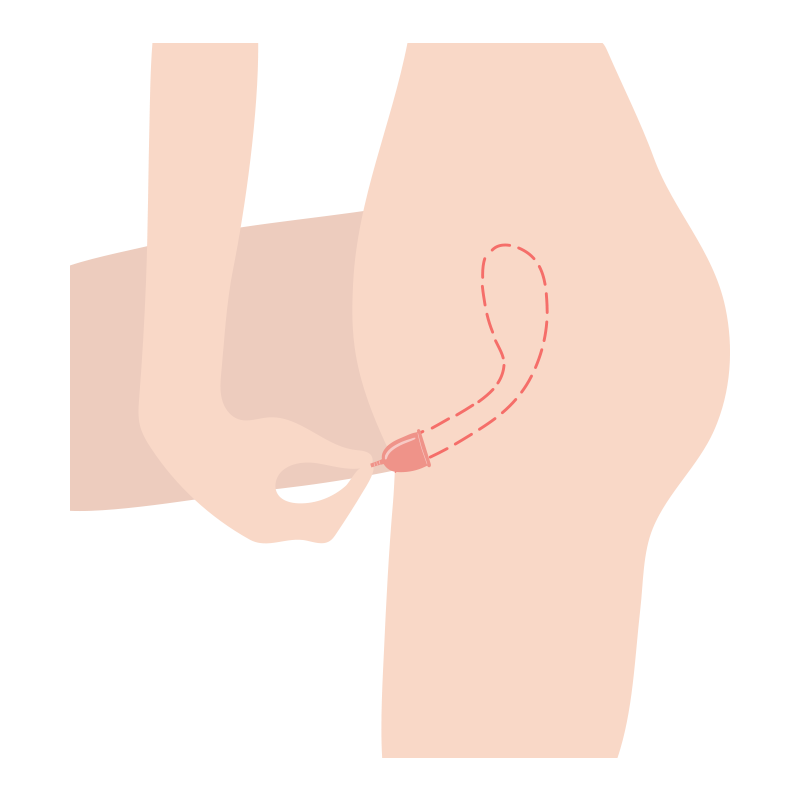
- Insert the cup into the vagina, with the rim facing up, as you would with a tampon without an applicator. It should remain in the vagina, but not stick to the cervix, so that it has room to collect blood.
- Once the cup is positioned in your vagina, twist it to open it and create a seal that stops "fluids."
How to remove the menstrual cup
To remove a menstrual cup, follow these steps:
- Wash your hands thoroughly.
- Place your index finger and thumb on her vagina. Push into the pelvic area and gently pull the stem of the cup until you can reach the base.
- Press down on the base to release the seal and pull down to remove the cup.

- Once you are outside, empty the cup into the sink or toilet.
- Wash thoroughly with soap and water, and reinsert if necessary.
Aftercare
Reusable menstrual cups must be washed and cleaned before reinserting them into the vagina. When your period ends, you should disinfect your menstrual cup in boiling water.
What do the studies say? British researchers analyzed data on menstrual cups from 43 studies involving more than 3,300 women and girls worldwide and concluded that menstrual cups are as safe and effective as sanitary pads or tampons. The aim of this analysis was to evaluate current information on leakage, safety, and acceptability of menstrual cups, comparing them with other menstrual hygiene products.
"Despite the fact that 1.9 billion women worldwide spend an average of 65 days a year dealing with menstrual blood flow, there are few good-quality studies comparing sanitary products," said the review's lead author, Penelope Phillips-Howard, from the Liverpool School of Tropical Medicine.


Related topics