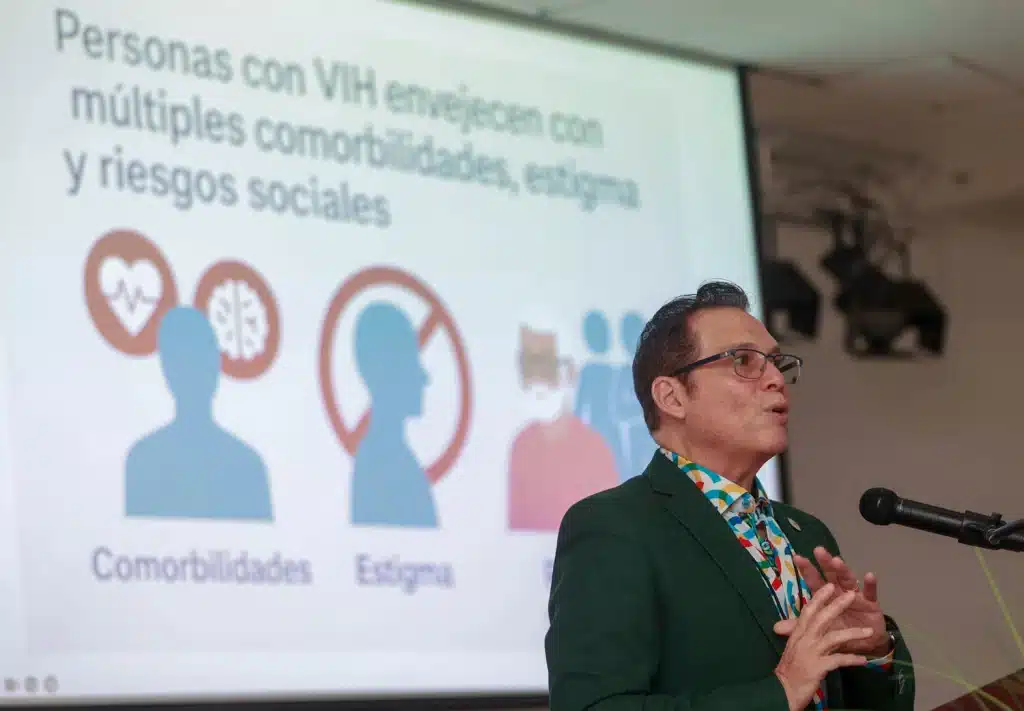
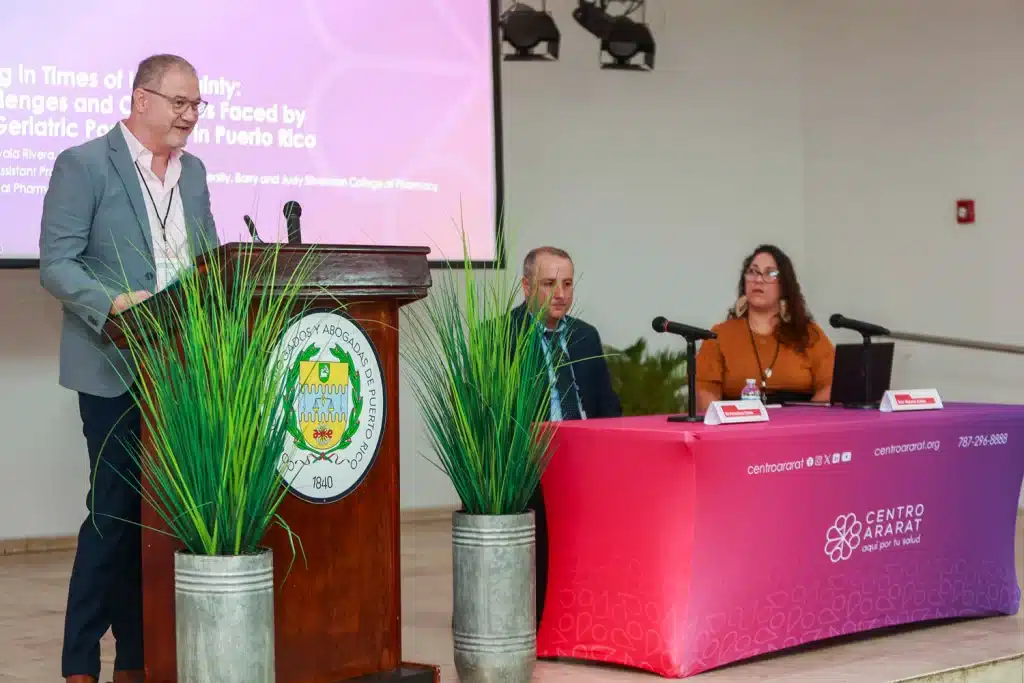
San Juan, Puerto Rico — Centro Ararat introduced the Premier Platinum Program (PPP), a pioneering initiative designed to address the specific needs of people over the age of 50 living with HIV in Puerto Rico.
The program—funded by the U.S. Health Resources and Services Administration (HRSA)—marks a milestone as the first local model of comprehensive care for this population, integrating medical, psychological, social, and educational components.
Throughout the day of presentations, an urgent reality became clear: more than 54% of people with HIV in Puerto Rico are 50 years of age or older, and many of them face comorbidities, isolation, stigma, and problems accessing adapted services.
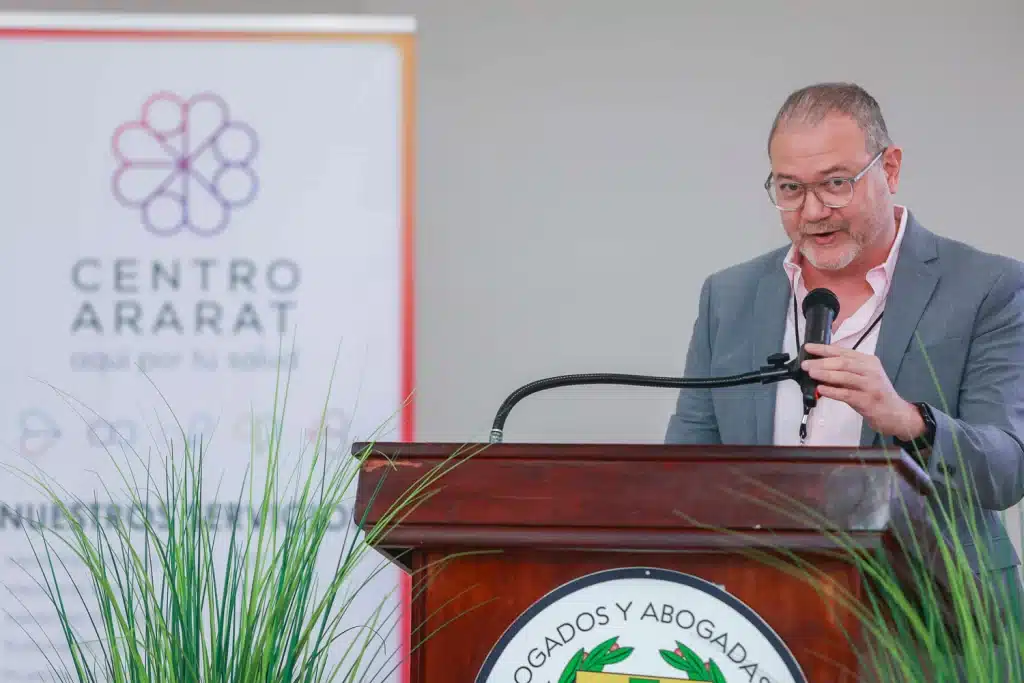
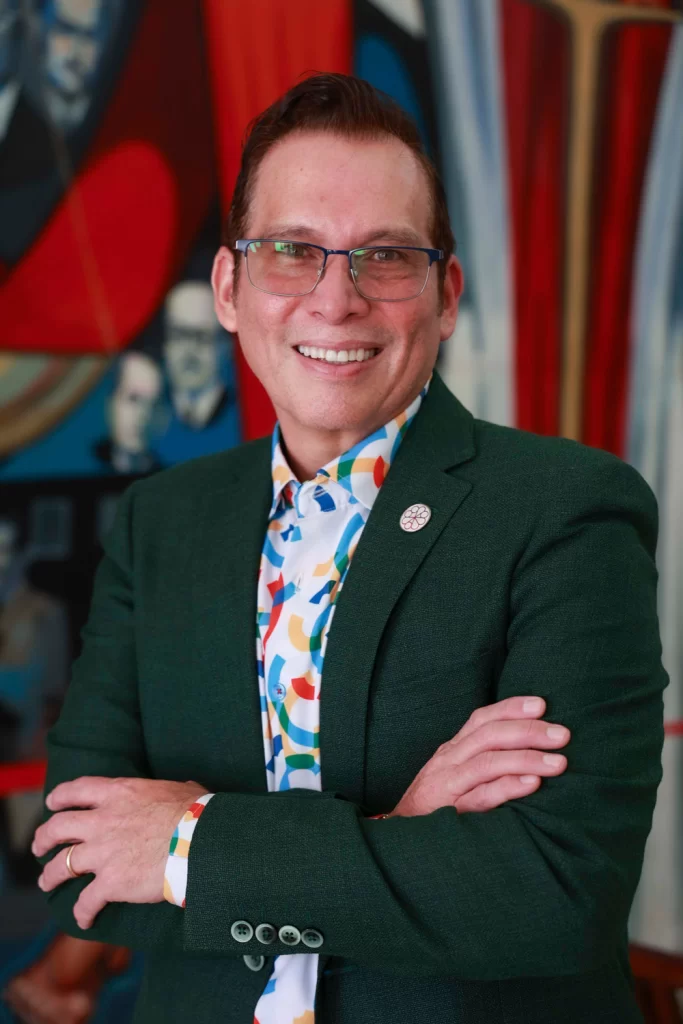
“PPP is grounded in dignity, collaboration, and the holistic well-being of the individual. We’ve redefined what HIV care for older adults can look like. We introduced in-house geriatric services led by a physician assistant and a mental health professional, expanding the clinical perspective beyond that of the traditional physician. “This change gave the team new perspectives and greater flexibility to care for our patients,” said Dr. Iván Meléndez Rivera, founder and Chief Medical and Operations Officer of Centro Ararat.
“This program is very comprehensive. They have taught us everything from meal planning, nutrition, sexuality at this stage, physical activity... how to face challenges and help ourselves,” shared Evelyn Pérez, a PPP participant.
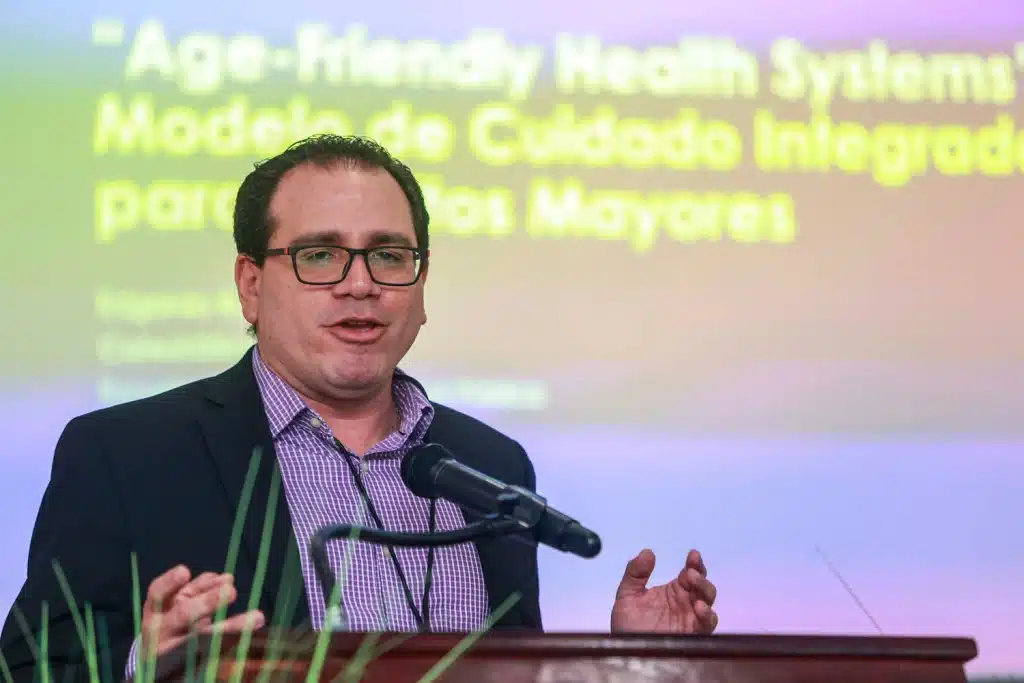
In addition, presentations by Dr. Francisco Torres Lozada, geriatrician, and Dr. Kalumi Ayala-Rivera, pharmacist, addressed the clinical challenges of aging with HIV, such as functional frailty, polypharmacy, and the need to safely "deprescribe" to avoid adverse interactions in this population.
The PPP is based on the 5Ms approach to geriatrics: What Matters Most, Mental Health, Multimorbidity, Mobility, and Medications. Through geriatric visits, psychological assessments, and self-care education, the model puts the patient at the center of their life plan.
“This model is ready to be replicated. This program not only strengthens the way we provide care, it strengthens our conviction that aging with HIV deserves respect, innovation, and heart,” said Dr. Meléndez Rivera. “We are not only improving lives, we are inspiring a movement,” he concluded.
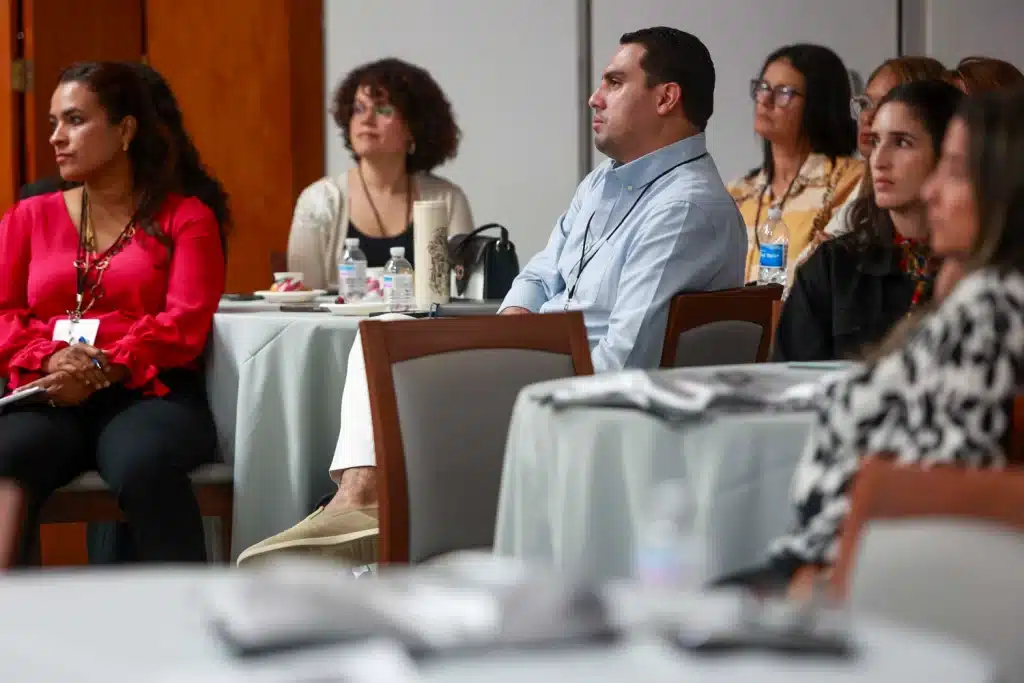
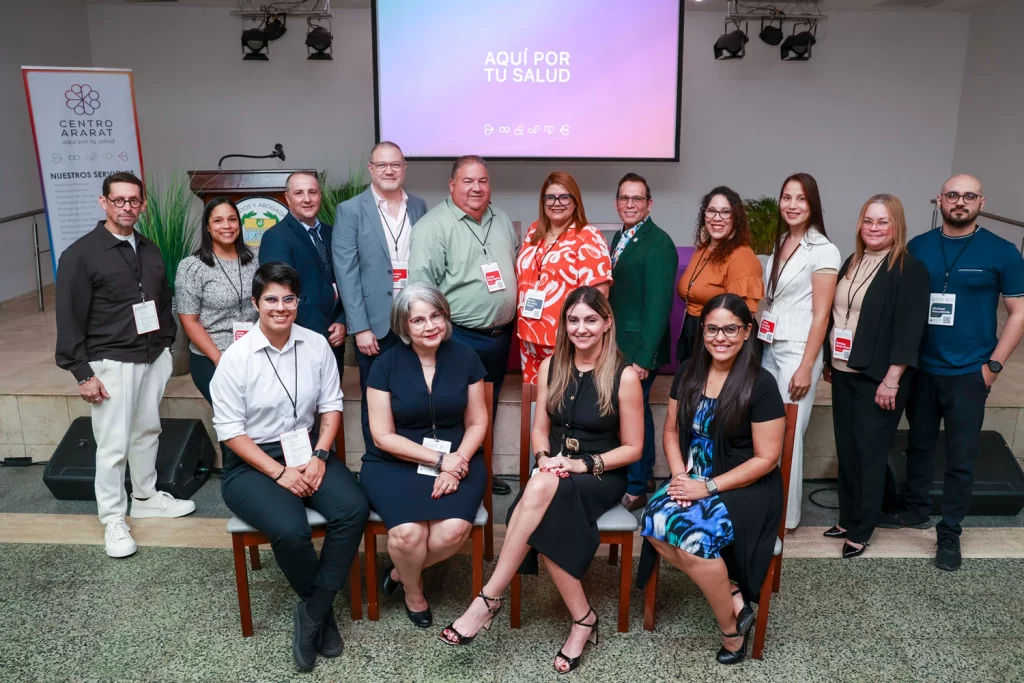
The educational event was held at the Puerto Rico Bar Association and was attended by clinical leaders, researchers, academics, and representatives from community organizations. It was made possible thanks to the collaboration of the Gerontology Training Institute, the Graduate School of Public Health at the University of Puerto Rico, the Comprehensive Cancer Center, and the Ryan White Part B/ADAP Program.
About Centro Ararat
Centro Ararat a nonprofit organization founded in 2001 in Ponce, Puerto Rico. It provides comprehensive physical and mental health services to people living with HIV. It has clinics in Ponce, San Juan, and Arecibo, and is a provider under the Ryan White Program in its various forms.
Key facts about the growing HIV+ population
Aging with HIV: demographic trend
- More than 50% of people diagnosed with HIV in the U.S. and its territories (including Puerto Rico) were 50 years of age or older as of the end of 2022.
- In Puerto Rico, 54% of people living with HIV are 50 years old or older, and 76% are 45 years old or older.
- HIV has become a manageable chronic condition, thanks to antiretroviral therapy (ART), which has increased life expectancy.
Medical conditions and risks
- Older adults with HIV face multiple comorbidities: cardiovascular and liver diseases, cancer, osteoporosis, and neurocognitive decline.
- They face a higher risk of polypharmacy—that is, the use of five or more medications at the same time—which increases the likelihood of adverse events and hospitalizations.
- According to studies, between 25% and 70% of older adults with HIV have at least one significant drug interaction; 11% have contraindicated drug combinations.
Adherence and challenges of care
- Adherence to therapy may be affected by:
- High tablet load
- Cognitive impairment
- Substance use
- Limited health literacy.
- They also face barriers such as stigma, ageism, social isolation, food insecurity, and housing problems.
Impacts on mental and social health
- Premature aging of the immune system has been documented in people with HIV, which accelerates the onset of age-related conditions.
- Depression, anxiety, grief, and cognitive decline are common and often go undiagnosed or untreated.




Related topics