
By Alana Marrero González, LND MHSN
A nutrition professional is a specialist or expert in nutrition, as defined by the Royal Spanish Academy. This professional has 6 to 8 years of training in the field of nutrition. The role of the dietitian-nutritionist is to identify the nutritional requirements of each person and provide the tools so that each person knows how to obtain the necessary nutrients on a daily basis. Their role promotes nutritional education so that patients can achieve goals such as: what to eat, how, and in what way food should be consumed.

During the nutritional assessment, the nutrition professional evaluates each patient's specific needs based on gender, age, physical activity, and demographic characteristics. Although there are general nutritional recommendations, each person has specific nutritional requirements. For this reason, the dietitian nutritionist prepares individualized work plans. To identify nutritional requirements, the nutrition assessment includes five main components: nutritional screening, nutrition diagnosis, nutritional intervention, monitoring, and follow-up.
During the nutrition assessment, concerns about strategies for achieving a healthy weight can be addressed, as well as learning about which foods are necessary on a daily basis, meal plans that fit your lifestyle, and specific requirements and needs that each person may have. Educational interventions may include information on reading nutrition labels, the quality of products in supermarkets, portion control, among others. For this and much more, it is important to receive an evaluation from a nutrition and dietetics professional. It is extremely important to eat to heal or be the best version of ourselves.
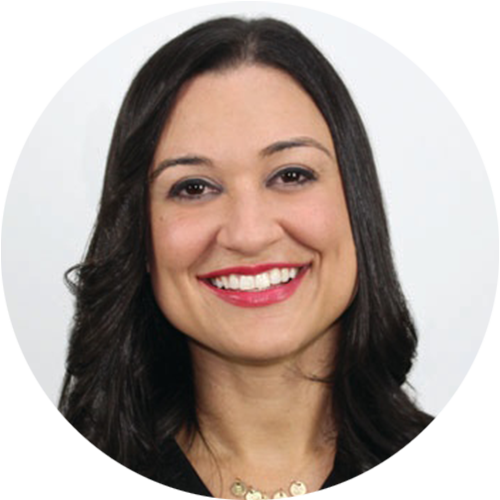
The author is a nutritionist at Centro Ararat. You can follow her on social media


Related topics