Endometriosis is a chronic gynecological condition that affects millions of women worldwide. Despite its prevalence, many people are unaware of its symptoms and the treatment options available. In this article, we will explore what endometriosis is, its effects on health, and how to manage it to improve quality of life.
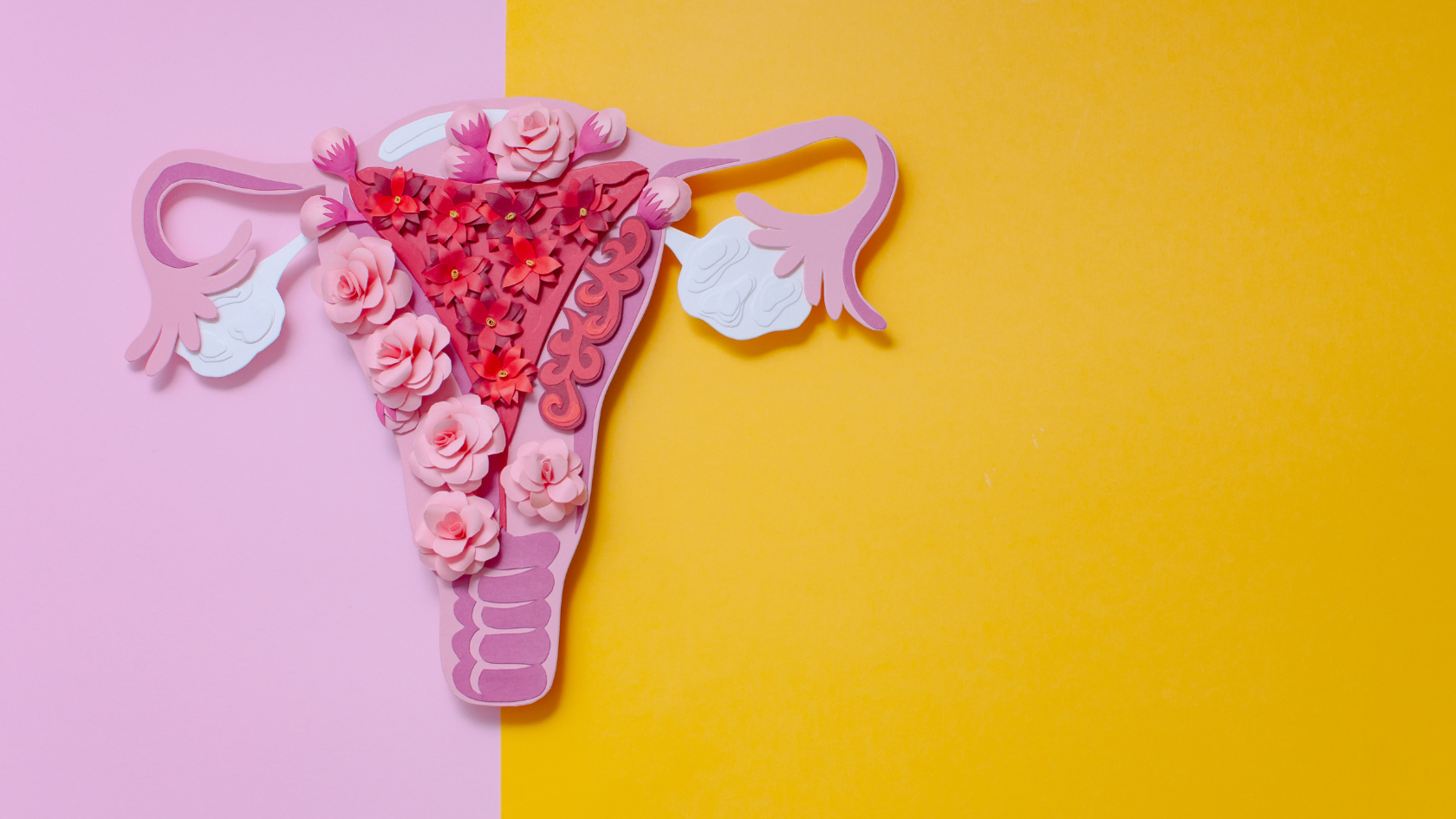
Endometriosis occurs when tissue similar to the lining of the uterus (endometrium) grows outside the uterus, on organs such as the ovaries, fallopian tubes, and even in other areas of the abdominal cavity. This tissue responds to hormonal changes in the menstrual cycle, causing inflammation, pain, and the possible formation of scar tissue.
Symptoms of Endometriosis
Symptoms may vary from person to person, but the most common include:
Severe pelvic pain, especially during menstruation.
Heavy or irregular periods.
Pain during or after sexual intercourse.
Digestive problems such as bloating, nausea, or constipation.
Chronic fatigue.
Difficulty getting pregnant.
How is Endometriosis Diagnosed?
Because the symptoms can be confused with other conditions, diagnosis can take years. Some of the tests used to detect it include:
Medical history and symptom assessment.
Pelvic ultrasound: This can help detect ovarian cysts associated with endometriosis.
Magnetic resonance imaging (MRI): Provides a detailed image of the pelvic organs.
Laparoscopy: A minimally invasive surgical procedure that allows the diagnosis to be confirmed and, in some cases, the abnormal tissue to be treated.
Treatment Options
Although there is no definitive cure for endometriosis, there are several options for managing symptoms and improving quality of life:
1. Medical Treatments
Pain relievers: Medications such as ibuprofen can help control pain.
Hormone therapy: Birth control pills, hormonal intrauterine devices, or injections can reduce the growth of endometrial tissue and relieve symptoms.
2. Surgical Options
Laparoscopy: Endometriotic lesions can be removed to relieve symptoms and improve fertility.
Hysterectomy: In severe cases, removal of the uterus may be considered if other treatments have not been effective.
3. Comprehensive Management and Lifestyle
Balanced diet: A diet rich in fruits, vegetables, and omega-3 fatty acids can reduce inflammation.
Regular exercise: Helps reduce stress and improve pelvic circulation.
Complementary therapies: Acupuncture, pelvic physical therapy, and relaxation techniques may be helpful.
Endometriosis is a condition that can significantly affect daily life, but with early diagnosis and proper treatment, it is possible to manage its symptoms effectively.
If you suspect you may have endometriosis or need support, schedule an appointment with your doctor.