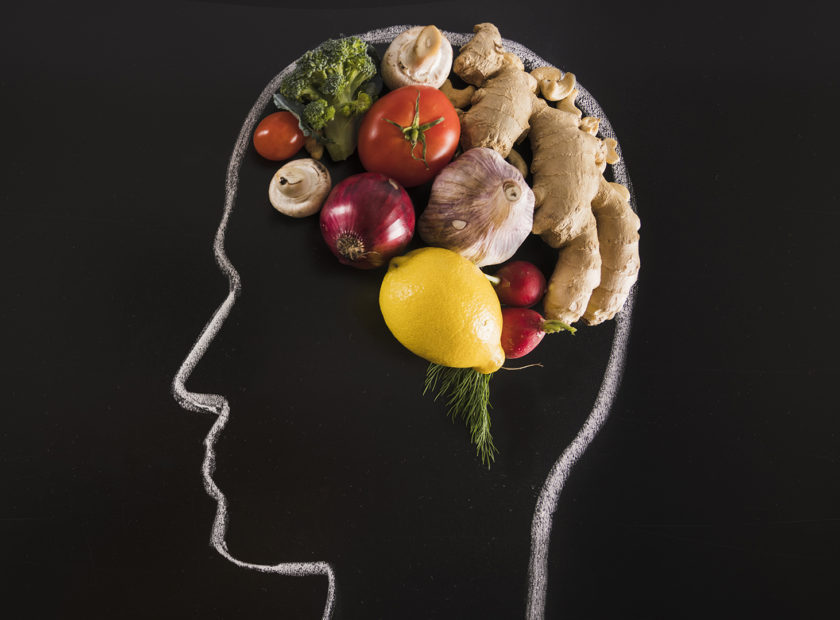
With so many negative things happening around us, it’s hard to avoid feeling anxious. Some of the symptoms may include tension, fatigue, irritability, insomnia, sadness, and insecurity. Numerous studies have identified foods that act on our bodies in the same way as some medications used to manage anxiety symptoms. You’re not alone. Here are some foods and nutrients you can include in your daily diet to help you feel better.
- Omega-3 – You can find it in flaxseeds, chia seeds, walnuts, pecans, and soybeans. Try to eat 1 ounce of one of these every day.
- Probiotics – you can get them from yogurt, miso, kimchi, sauerkraut, and dietary supplements.
- B-Complex Vitamins – Try to include asparagus, bananas, root vegetables such as sweet potatoes, taro, and yautía, oats, and legumes (green beans, pigeon peas, chickpeas, lentils, etc.) in your diet. A serving size of half a cup to one cup is recommended.
- Zinc – Include lentils, chickpeas, green beans, chia seeds, flaxseeds, pumpkin seeds, almonds, peanuts, pistachios, oats, quinoa, brown rice, and cocoa in your diet.
- Vitamin D—although it can be difficult to find in foods, cow’s milk, plant-based beverages, and even some juices are fortified with it. It occurs naturally in egg yolks, and our bodies can produce it when we’re exposed to the sun.
- Magnesium – this powerful mineral is found in wheat, spinach, corn, pure cocoa, almonds, figs, and quinoa.
Share this information with anyone you think might benefit from a nutrient-rich diet to combat anxiety.

The author is Alana Marrero González, MHSN, LND Nutritionist/Dietitian and Certified Diabetes Educator.

Related topics