The new year brings with it the opportunity for fresh starts, and this time of year is when we tend to take stock of our daily routines—the things we do day in and day out. It’s also a time to reflect on our accomplishments, the healthy eating habits we’ve adopted, and all the new strategies we can incorporate in the coming year.
The first thing we need to understand is that, in order to achieve our goals, it’s important to focus on small habits, since they are of great value to our lives and will determine the results. Those small things we do consistently are the ones that can have a major positive impact on our health.
Here are 5 foods that should be a staple in your meals over the coming year: the focus isn't on eating less, but on the quality of what you're eating.
- Includes the delicious ones every day green beans and their cousins, the legumes. Beans are one of the best sources of plant-based protein; they provide fiber, minerals, and B vitamins. Eating them daily reduces the risk of various health problems, such as colorectal cancer and heart disease.
- Ideas: Always serve them with rice—there’s no better combination than a plate of rice with green beans, pigeon peas, chickpeas, or other legumes.
- Once a week, prepare dishes such as grain salad, cream of lentil soup, or a delicious chickpea ceviche.
- May your day never be without nuts or seeds, these small foods are giants in terms of nutritional value. They provide fiber, omega-3s, and vitamins, and they help us burn calories because digesting them requires a lot of energy from the digestive system.
- Ideas: They're a great choice for a snack or as a side to go with your fruit, cereal, and smoothies.
- Food—yes, our food from the countryside. They are excellent sources of fiber, go great with all kinds of dishes, and can be eaten either hot or cold.
- Ideas: Eat steamed or boiled vegetables, or delicious vegetable soups. These are minimally processed foods—don't forget that.
- Avocado—I never get tired of recommending that you eat it every day. Its combination of fiber, protein, and healthy fats makes it an excellent source of nutritional value. It slows down digestion and doesn’t cause rapid spikes in blood sugar levels, which helps keep you feeling full longer. What more could you ask for?
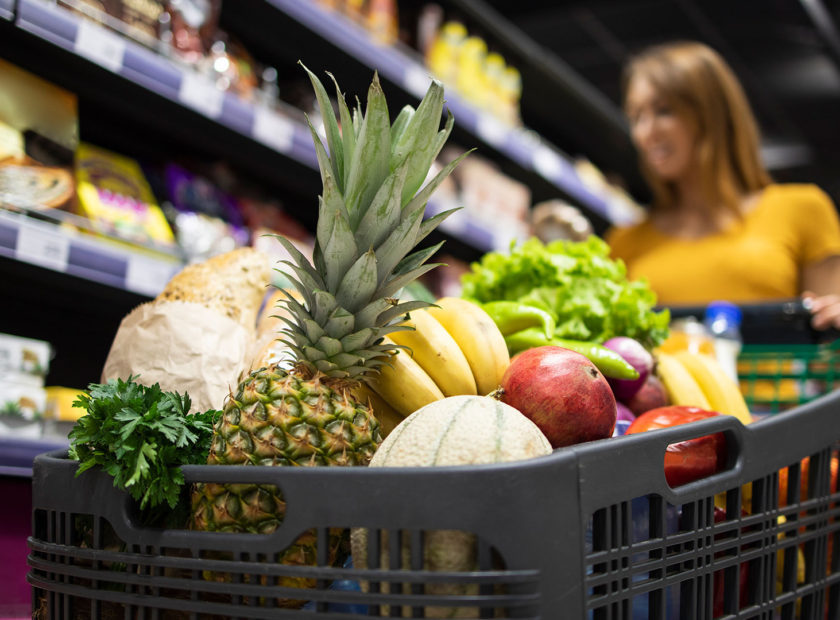
- Fruits and vegetables: fresh, canned, or frozen. They're all excellent. When it comes to fruit, the important thing is to eat it rather than drink it. Chewing fruit makes us feel fuller, and since it takes longer to digest and metabolize, blood glucose levels rise gradually.
- Tips: Eat one or two servings of fruit every day. Serve vegetables with every meal. Have small carrots as a snack, add bell peppers to your dishes, and use squash in your stews.
Focusing on your habits should be your main priority this new year. Make sure your diet is one you can stick to every day—THAT is what gets results. In this new year, focus on the small changes you can make to your diet and lifestyle. Remember, less is more. Focus on one habit instead of trying to do too many things at once.

The author is Alana Marrero González, Lcda., MHSN, LND, a certified nutritionist/dietitian and diabetes educator (alanamarrero@gmail.com)
Related topics