By: Tito Orlando Ortiz, MPHE
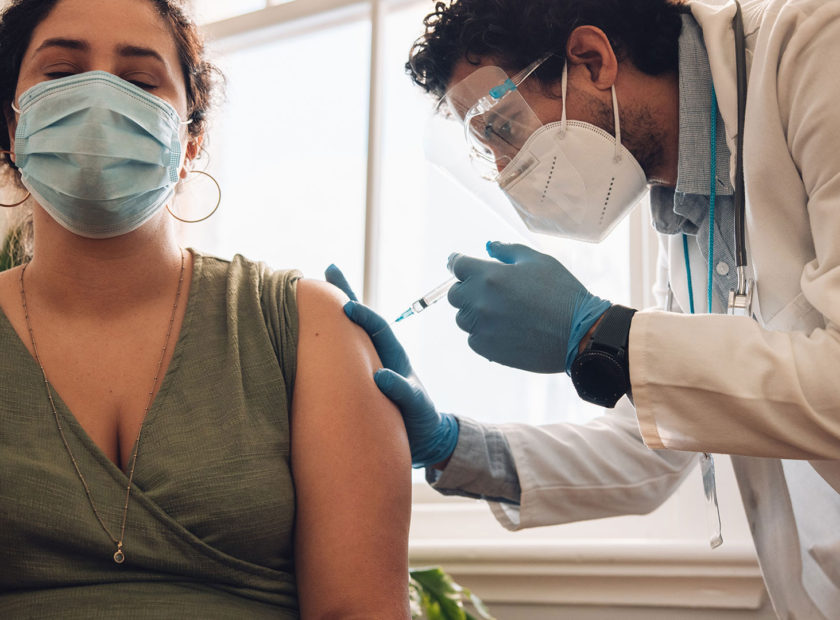
The spike in COVID-19 cases in Puerto Rico and the United States has led to the decision to offer a third dose of the vaccine to strengthen protection against this disease for people with compromised immune systems.
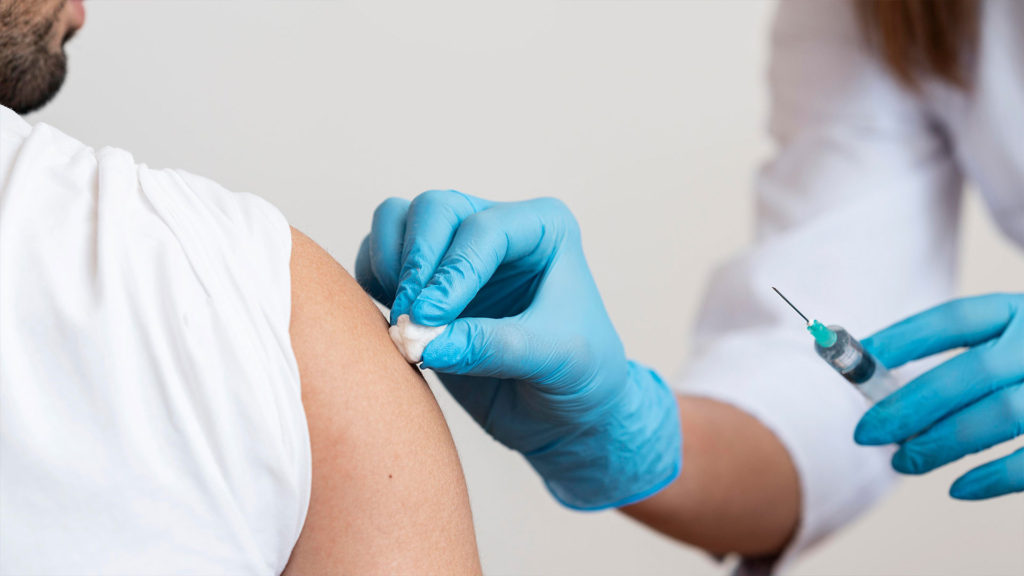
Do people with compromised immune systems really need a third dose?
Yes. People with moderate to severe immune compromise are more likely to acquire COVID-19 and, in some cases, become seriously ill. For this reason, the Centers for Disease Control and Prevention (CDC) recommends that people with compromised immune systems receive an additional dose of the Pfizer or Moderna vaccine 28 days after receiving the second dose from the same company. It should be noted that the U.S. Food and Drug Administration (FDA) has fully and definitively approved Pfizer's COVID-19 vaccine.
Who is considered to have an immunocompromised system?
- A person currently undergoing treatment for a tumor or cancer.
- A person who has undergone an organ transplant and is taking immunosuppressive drugs (which block the immune system's response).
- A person who has received a bone marrow transplant in the last two years and is taking immunosuppressive drugs.
- A person living with Human Immunodeficiency Virus (HIV) who is not undergoing treatment with antiretroviral drugs, or whose CD4 count is 200 copies or less.
- A person who is actively taking high doses of corticosteroids or other medications that suppress the immune system.
Similarly, they are urged to consult with their doctors to confirm whether they require a third dose of the COVID-19 vaccine.
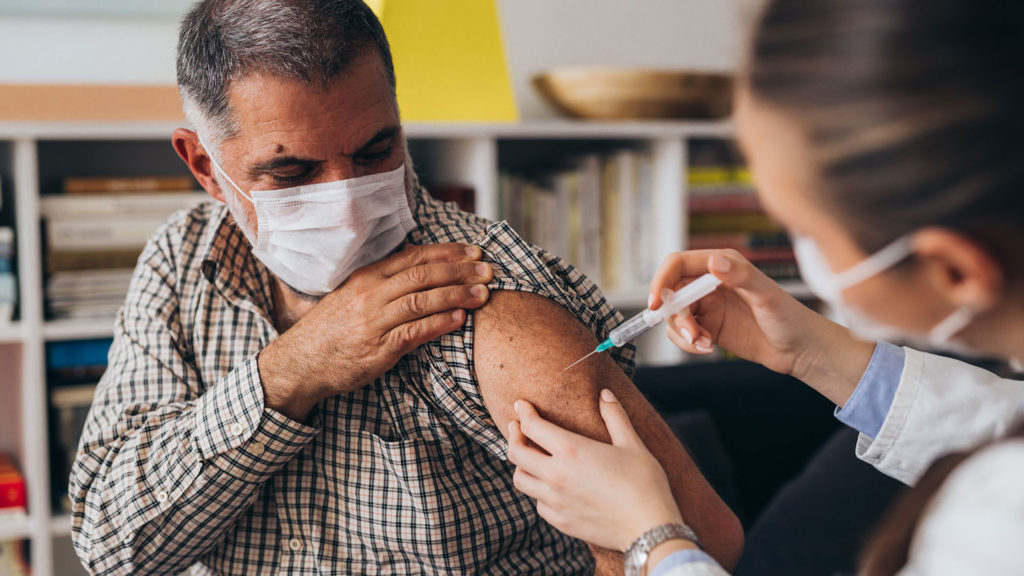
What are the benefits of receiving an additional dose of the vaccine?
An additional dose could prevent severe and potentially fatal COVID-19 in people who may not have responded to the initial vaccine regimen. According to the CDC, ongoing clinical trials have shown that mRNA COVID-19 vaccines (Pfizer-BioNTech or Moderna) prevent COVID-19 after two doses. There is limited information suggesting that people with compromised immune systems who develop little or no protection after two doses of mRNA vaccines may have a better response if they receive an additional dose of the same vaccine, the CDC says.
Is the recommended dose the same as the booster shot?
No. This additional dose, which aims to improve the immune response of people with compromised immune systems to their initial vaccination schedule, is not the same as a booster dose, which is the vaccine given when the immune response to a primary vaccination schedule is likely to have worn off over time.
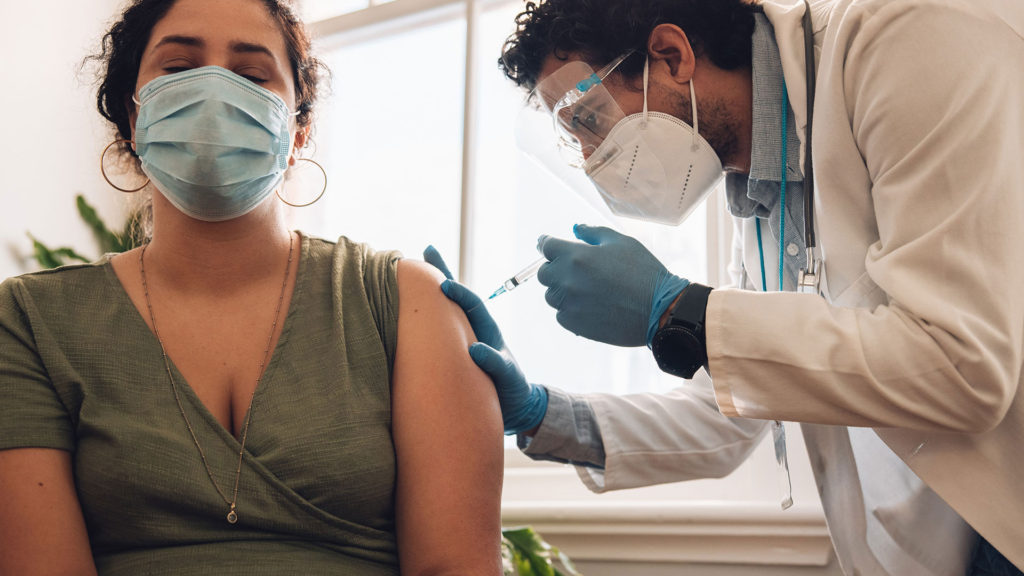
Should everyone receive this additional dose?
At this time, the CDC does not recommend this additional dose of COVID-19 vaccine for the general population, except for people with compromised immune systems.
However, regulations may vary from country to country, so it is recommended that individuals remain attentive to the guidelines issued by the Puerto Rico Department of Health.


Related topics