
This type of cancer is one of the most common, but it is also preventable and even curable
Dr. Gladysmaría Figueroa
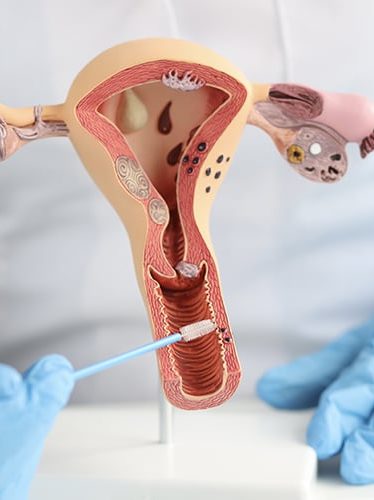
Did you know that cervical cancer is one of the most common cancers in Puerto Rico? It is also the second most common type of cancer among women worldwide. Cervical cancer is a disease that develops in the cervix (the neck of the uterus). The cervix is located at the top of thevagina and is approximately 1 to 1.3 inches long.
However, cervical cancer is easy to prevent through regular screening and vaccination. It is also curable if diagnosed and treated in its early stages. That is why the cervical cytology test, or Pap smear, exists. This test is performed periodically and identifies individuals who are at higher risk for cervical cancer and who require additional procedures and follow-up.
Cervical cancer mostly affects women over the age of 30.
In the United States, approximately 12,000 women are diagnosed with cervical cancer each year, and 4,000 die annually from complications related to this disease.
Most cases of cervical cancer are caused by the human papillomavirus (HPV). HPV is the most common sexually transmitted infection in Puerto Rico and the United States. In fact, so many sexually active people will contract it at some point in their lives. For this reason, patients aged 30–65 should undergo this test along with a Pap test.
HPV is a virus that is transmitted from one person to another through genital contact, such as vaginal, anal, or oral sex. Generally, an HPV infection clears up on its own without causing any major complications. The problem arises when HPV does not clear up and causes changes in the cells that can lead to cervical cancer over time.
Other factors that may increase the risk of developing cervical cancer include:
- Early Sexual Activity
- Multiple sexual partners
- History of Other Sexually Transmitted Diseases
- Smoking tobacco
- Being HIV-positive
- Suffering from an immune deficiency
Many people with cervical cancer do not have any symptoms. Some signs may include abnormal bleeding, vaginal discharge, a pelvic mass, and discomfort in the pelvic area. As you can see, these are nonspecific symptoms.
It is important to note that most cases of cervical cancer are caused by a high-risk type of HPV. It is found in 99.7% of cases of Cancer-16, 18 (70%), 16, 18, 45, 31, and 33.

When should the test be taken?
The Pap test looks for abnormal changes in the cells of the cervix so they can be treated before they develop into cervical cancer. Your doctor collects cells from your cervix and sends them to a cytotechnologist to examine under a microscope.
Women should begin getting screened starting at age 21. They can have a Pap test every three years from age 21 to 65, or the combined test every five years from age 30 to 65.
- If you are 65 or older, ask your doctor if you can stop having Pap tests.
- To be eligible to stop having Pap tests at age 65, you must have had three consecutive normal tests with no abnormal results in the past 10 years.
- You have had a hysterectomy and no longer have a cervix. Since your hysterectomy was performed for reasons other than cancer, you do not need to have Pap tests.
- If you have had a hysterectomy due to abnormal cervical cells or cervical cancer, you should continue to have Pap tests.
- If you've had a hysterectomy but still have your cervix, you should continue to have routine Pap tests.
- How often you need a Pap test depends on your age and medical history. Talk to your doctor to determine what's best for you.
- If abnormal cells are found in your cervix during a Pap test, your doctor may order other, more specific tests to help determine a diagnosis.
- If your HPV test comes back positive, you'll need follow-up care and possibly additional tests.
- The Pap test and the HPV test screen for different things, but together they are an excellent tool for identifying who is at higher risk and deciding which additional tests to perform.
How can cervical cancer be prevented?
- Get the HPV vaccine
- Get routine Pap tests. Regular Pap tests help your doctor detect and treat any changes in your cells before they develop into cancer.
- Practice monogamy. The best way to prevent any sexually transmitted infection (STI), including HPV, is to avoid vaginal, oral, and anal sex with multiple partners.
- Use condoms. Research shows that using condoms can reduce the risk of developing cervical cancer, as long as they are used correctly and every time you have vaginal, oral, or anal sex.
- Ideally, you should get the HPV vaccine as soon as possible. You can still benefit from the HPV vaccine even if you've already been sexually active—and even if you've tested positive for any type of HPV.
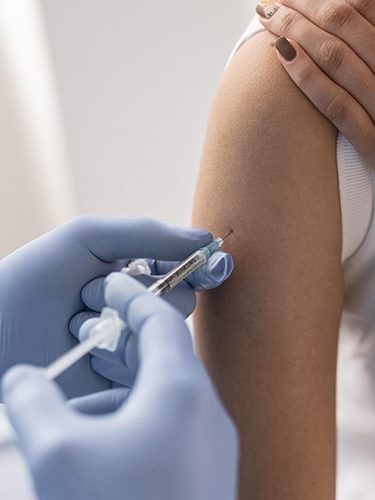
The recommendations for HPV vaccination are:
- Two doses of the HPV vaccine are recommended for most people, starting the series before their 15th birthday.
- The second dose of the HPV vaccine should be administered 6 to 12 months after the first dose.
- Adolescents who receive two doses less than 5 months apart will need a third dose of the HPV vaccine.
- Three doses of the HPV vaccine are recommended for adolescents and young adults who begin the series between the ages of 15 and 26, as well as for immunocompromised individuals.
- The recommended three-dose schedule is at 0, 1–2, and 6 months.
- Three doses are recommended for immunocompromised individuals (including those with HIV infection) aged 9 to 26 years.
Remember that cervical cancer can be prevented. Make an appointment for a Pap test. Get vaccinated, and have your children vaccinated.
The author is a gynecologist at Centro Ararat. The information presented is based on recommendations from the Centers for Disease Control and Prevention (CDC), the American College of Obstetricians and Gynecologists (ACOG), and the Office of Women’s Health (OASH).


Related topics