Most Human Papillomavirus (HPV) infections clear up on their own, do not require treatment, and do not cause cancer.
This was confirmed by Dr. Gladysmaría Figueroa, a gynecologist at Centro Ararat, who also added that in most cases where HPV leads to cancer, the infection has been present in the body for several years without being treated.
"I see quite a few cases of HPV-positive patients, but very few cases of genital warts and cervical cancer," said the gynecologist.
Most HPV types are benign and do not cause any infection or symptoms. However, some types of HPV can cause genital warts, as well as cancer of the cervix, vagina, vulva, penis, anus, and throat.
HPV is one of the most common sexually transmitted infections (STIs) in Puerto Rico and the United States. It is estimated that 80% of sexually active people will contract the virus at some point in their lives, according to the U.S. Centers for Disease Control and Prevention (CDC).
The fact is that HPV can be contracted through oral, vaginal, or anal sex with a person who has the virus. HPV can even be transmitted when the person with the virus has no signs or symptoms.
Anyone who is sexually active is at risk of contracting HPV. Some people develop symptoms years after having sex with someone who has HPV, which makes it difficult to determine when they contracted the virus. There are many types of HPV. Exposure to HPV can occur through any type of sexual activity with a person who has the virus,” the doctor added.
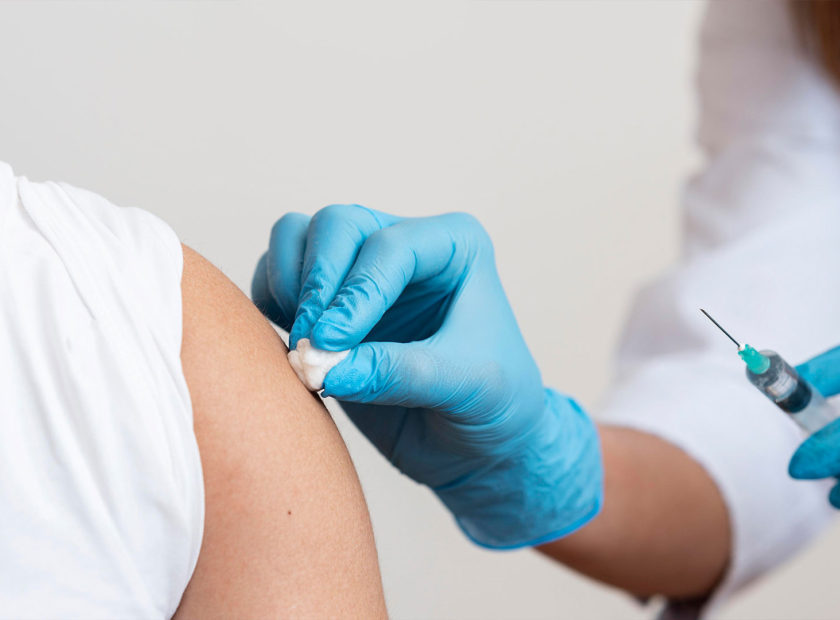
There are several ways to prevent HPV, including vaccination. According to the CDC, the HPV vaccine can prevent up to 90% of the cancers that this virus can cause.
Fortunately, there is a vaccine that can prevent you from developing HPV. The HPV vaccine helps protect against certain types of HPV that can cause cancer or genital warts. “The most comprehensive HPV vaccine on the market protects against HPV types 16 and 18, 6 and 11, 31, 33, 45, 52, and 58, which can cause genital warts and cancer of the cervix, anus, vulva/vagina, penis, or throat,” noted the gynecologist.
The HPV vaccine can be given to people ages 9 to 45. It is important to note that anyone over the age of 27 should consult with their doctor or healthcare provider to confirm whether they are eligible to receive this vaccine.
Dr. Figueroa also noted that “even if you already have HPV, you can still get vaccinated. The vaccine is not a treatment; it’s meant to prevent you from contracting other types of HPV.”
As a reminder, the expert advised that if a person is sexually active,they should “use condoms and other protective barriers, remain in a monogamous relationship, get regular Pap smears, boost their immune system, and get vaccinated against HPV.”
The content on this page is for educational and informational purposes only. It does not replace or substitute for a consultation with a doctor or other healthcare professional.
References:
- CDC. (2021). HPV vaccination is safe and effective.
- CDC. (2021). Human Papillomavirus. Retrieved from:
- DOH. (2020). Frequently Asked Questions About HPV. Retrieved from: