
Identifying strategies and adopting safe sex practices are important for reducing the risk of contracting a sexually transmitted infection, preventing unwanted pregnancies, and reducing high-risk behaviors.
Here are some tips for when you're having casual or planned sexual encounters:

To Get an Education
Education and guidance on sexually transmitted infections are of the utmost importance when it comes to making informed decisions about sexual health. Likewise, education on risk management is important in the processes of self-assessment, behavioral change, and exposure to sexually transmitted infections.

Condom Use and Barriers to Protection
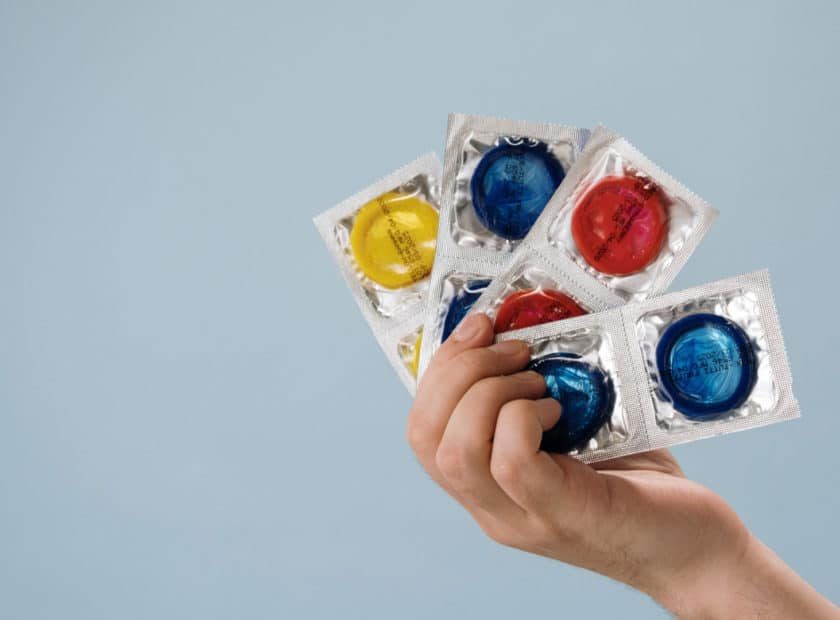
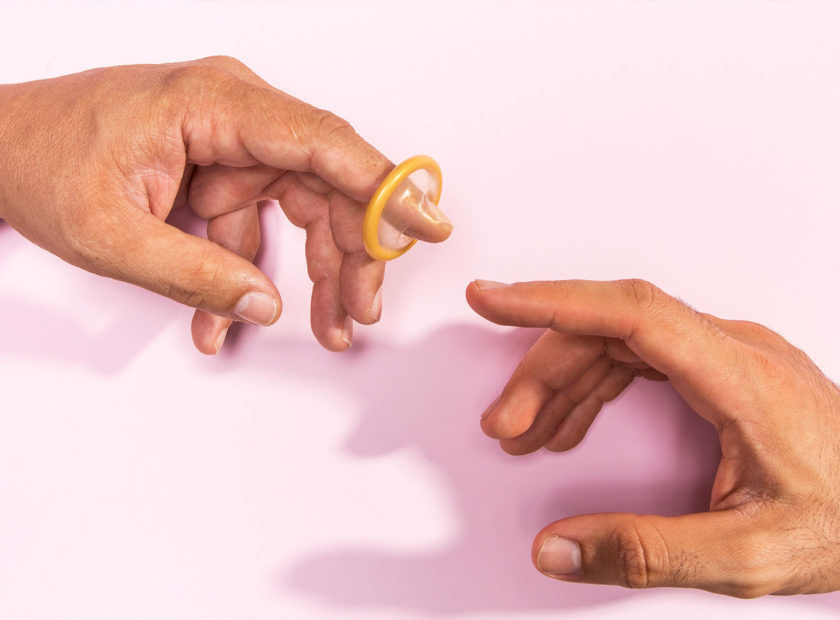
The use of protective barriers during sexual intercourse has proven to be very effective in preventing the transmission of HIV, as well as other sexually transmitted infections (STIs). It is important to use condoms correctly and consistently. Always remember to check the expiration date and use water-based lubricants.
Routine HIV and STI testing
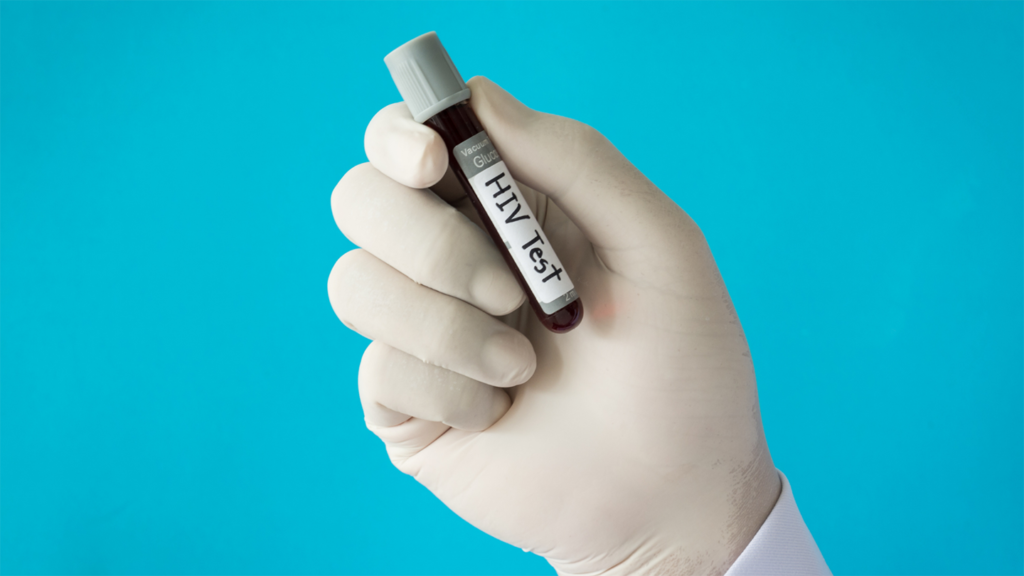
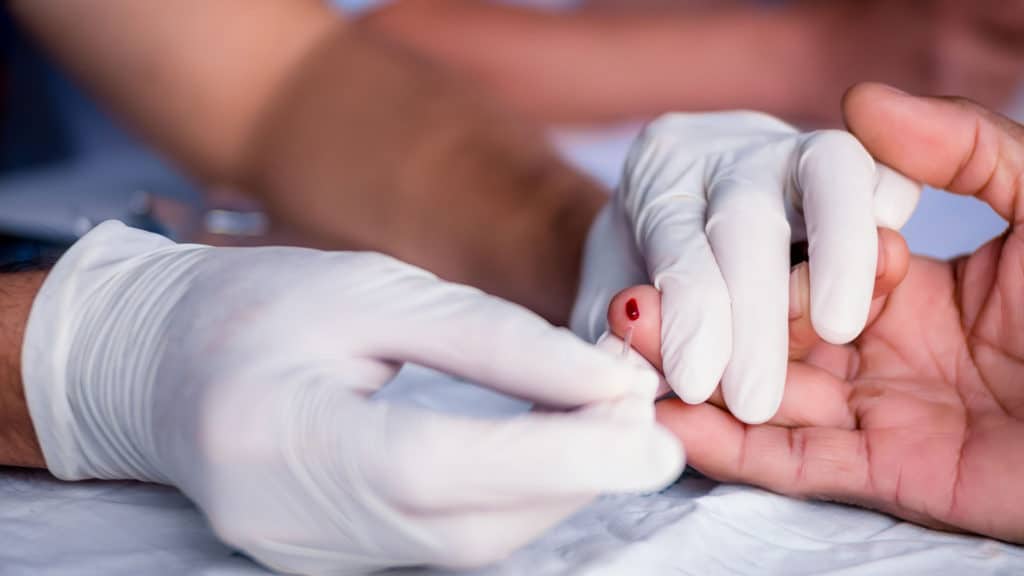
Make HIV and sexually transmitted infection testing a regular part of your healthcare routine. These days, getting tested for HIV is quick and easy. There are even tests that provide results in just one minute. You can schedule an appointment to get tested for HIV for free at Centro Ararat Ponce, Juana Díaz, or San Juan.
Treatment
If you experience any discomfort during sexual intercourse or notice any unusual symptoms (such as a burning sensation, pain, abnormal discharge, or others), you should be evaluated by a certified healthcare professional. Currently, there are highly effective treatments for HIV. Starting treatment should be a priority. Treatment, as prescribed by a doctor, enables a long and healthy life. It also reduces the risk of transmitting the virus to others. This is the basis for the “I = I” or “Undetectable = Untransmittable” campaign, which has already been replicated in various parts of the world and has been endorsed by leading medical authorities, including the U.S. Centers for Disease Control and Prevention (CDC).
PrEP
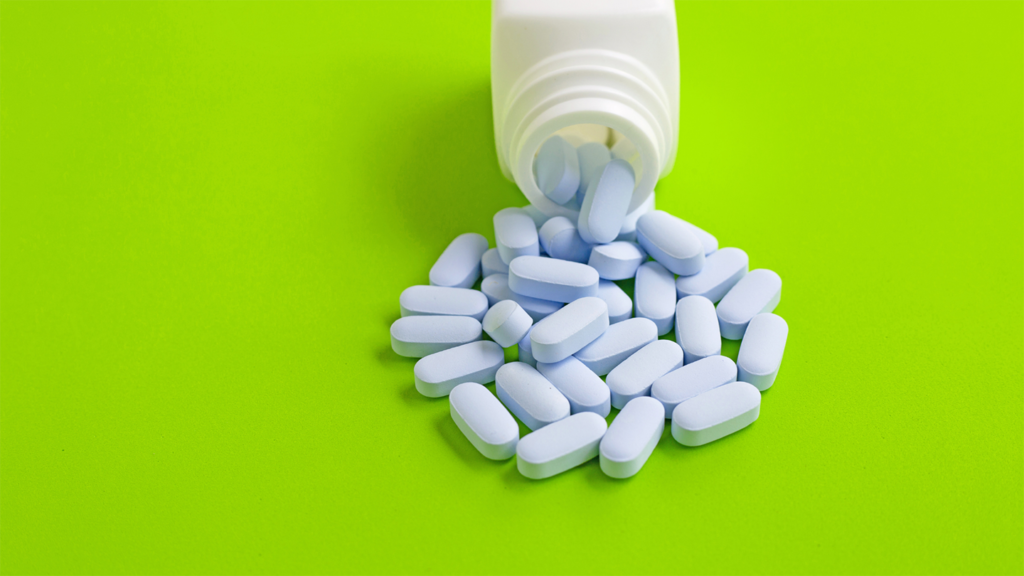
PrEP stands for HIV Pre-Exposure Prophylaxis. This treatment is an additional tool for HIV prevention that involves taking one pill a day. Its purpose is to prevent a person from becoming infected with HIV if they have been exposed to the virus. Patients should see their doctor every three months for follow-up evaluations and to renew their prescriptions. PrEP does not replace condom use and does not provide any protection against other sexually transmitted infections.
For more information or to schedule an initial PrEP appointment, please call 787-296-8888 in San Juan or 787-284-5884 in Ponce.
Remember, #ProtectWhatYouLove.
Originally published on June 20, 2018, in the Metro newspaper.
The content on this page is for educational and informational purposes only. It does not replace or substitute for a consultation with a doctor or other healthcare professional.

Related topics