By Communications Team
Syphilis is a sexually transmitted infection (STI) caused by bacteria. It causes sores on the genitals and serious complications if left untreated. The World Health Organization estimates that there are about 12 million new cases of syphilis each year. Syphilis is divided into four phases: early, secondary, early latent and late, notes the Pan American Health Organization.
The Centers for Disease Control and Prevention (CDC) website provides a brief explanation of these phases.
Primary phase:
During the first (primary) stage of syphilis, you may notice a single sore, but there may be many. The sore appears at the site where the syphilis entered the body. The sore is usually firm, round and painless. Because it is painless, it may go unnoticed. The sores last 3 to 6 weeks and heal whether you are treated or not. Even if they go away, you must be treated so that your infection does not progress to the secondary stage.
Secondary phase:
During the secondary phase, you may have skin rashes or sores in the mouth, vagina or anus (also called mucous membrane lesions). This phase usually begins with the appearance of a rash on one or more areas of the body. The rashes may appear when the primary sore is healing or several weeks after it has healed. This rash may look like hard, red or reddish-brown spots on the palms of the hands or soles of the feet. The rash is usually not itchy and is sometimes so inconspicuous that you may not even realize you have it. Other symptoms may include fever, swollen lymph glands, sore throat, partial hair loss, headaches, weight loss, muscle pain and fatigue (feeling very tired). The symptoms of this phase will disappear with or without treatment. Without proper treatment, the infection will progress to a latent phase and possibly to the more advanced stages of the disease.
Latent and advanced phases:
The latent phase of syphilis begins when all the symptoms you had before disappear. If you were not treated, you can have syphilis in your body for years without any signs or symptoms. Most people with untreated syphilis do not progress to the advanced stage of the disease. However, when this happens it is very serious and would occur 10 to 30 years after the infection began. Symptoms of advanced stage syphilis include difficulty coordinating muscle movements, paralysis (not being able to move certain parts of the body), numbness, blindness, and dementia (mental disorder). In the advanced stages of syphilis, the disease damages internal organs and can cause death.
How is it transmitted?
Syphilis is spread by vaginal, oral or anal sex. Sores can be found on the penis, vagina, anus, rectum, or lips and mouth. Although they are not usually painful, they can easily spread to others. You can get the infection when your vulva, vagina, penis, anus, or mouth touches someone's syphilis sores. Syphilis can be spread even if there is no ejaculation.
What are its symptoms?
Symptoms of syphilis include sores on the penis, fever, sore throat, weakness, weight loss, hair loss, swollen lymph nodes, stiff neck, headache, and irritability, among others. It should be noted that because syphilis sores can be hidden in the vagina, anus, under the skin covering the penis or mouth, it may not be obvious if a sexual partner has syphilis.
How can I treat it?
Syphilis can be easily cured with antibiotics. Your doctor will prescribe antibiotics to treat the infection. In addition, your sexual partners also need to be treated. However, when syphilis is left untreated it can cause very serious and permanent problems such as: brain damage, paralysis and blindness.
Can I get it more than once?
Yes. The fact that you have had syphilis once will not prevent you from getting it again. Only a lab test can confirm whether you have it.
Are there ways to prevent it?
-You should be tested regularly for STIs.
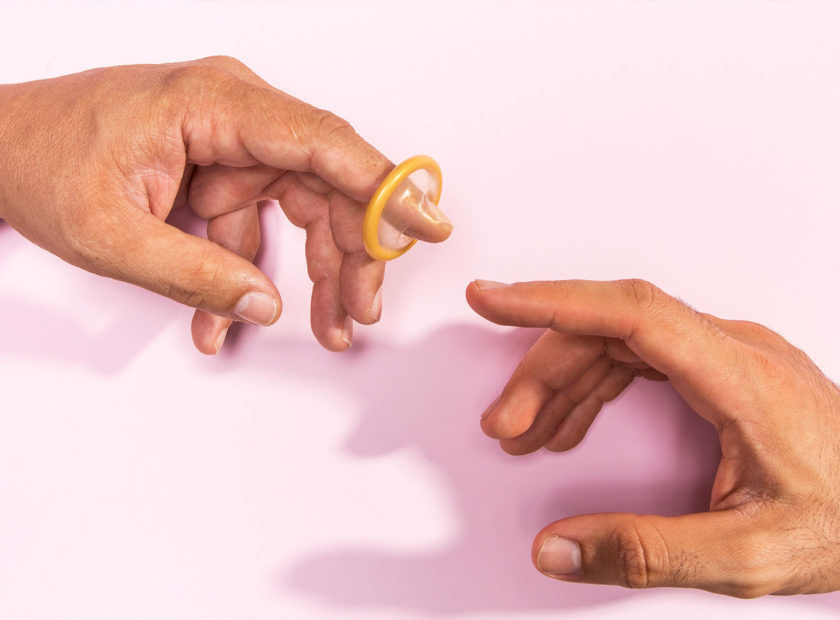
-It is always advisable to use protective barriers (condoms, dental dam, thimbles, etc.).
Remember that we offer STI testing at our Sexual Health Clinic. To make an appointment you can call us at (787) 296-8888.