By UNAIDS
A study recently published in the Netherlands reports the existence of a more transmissible and harmful variant of HIV.
People living with the newly discovered HIV subtype have twice the rate of immune system decline (CD4 count). They have higher HIV viral loads (amount of virus in the blood) and are vulnerable to developing AIDS two to three times faster after diagnosis than if they were living with other strains of the virus.
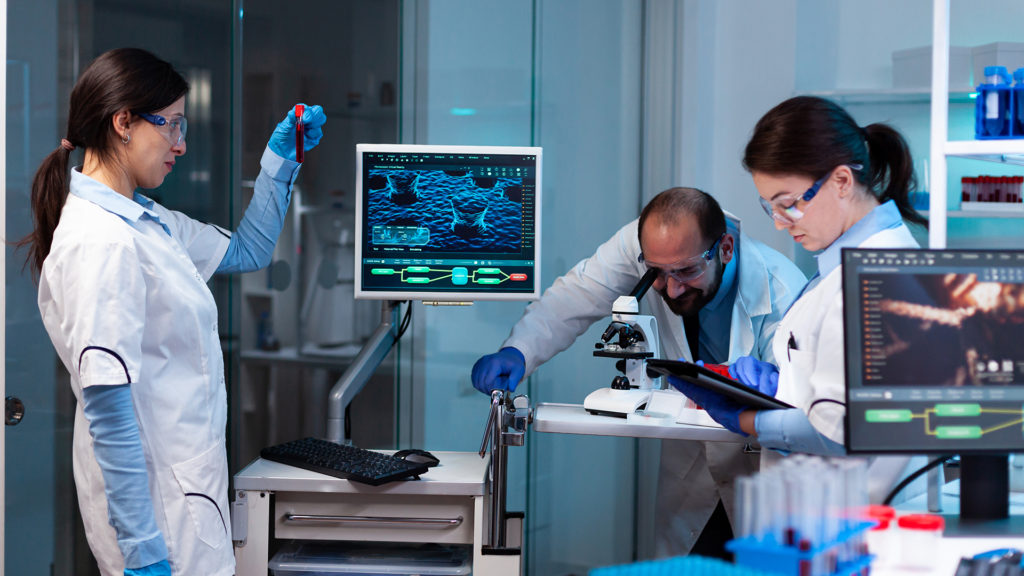
The study, led by researchers at Oxford University's Big Data Institute, was the first to discover this variant of the virus's subtype B. It also revealed that the variant has been circulating in the Netherlands for years and remains responsive to HIV treatment.
The HIV pandemic continues to claim one life every minute. Scientists have long been concerned about the evolution of new, more transmissible variants of HIV. This newly identified variant does not pose a significant threat to public health. But it does underscore the urgency of accelerating efforts to stop the HIV pandemic.
Ten million people living with HIV worldwide remain untreated. This drives the continued spread of the virus and the potential for new variants to emerge," said Eamonn Murphy, Deputy Executive Director of Programs at UNAIDS.
We need to urgently roll out cutting-edge medical innovations so that they reach the communities that need them most. Whether it's HIV treatment or COVID-19 vaccines, the reality is that inequalities in access are perpetuating pandemics in ways that harm us all.
HIV remains the deadliest pandemic of our time. An estimated 79 million people have been infected with the virus, for which there is still no vaccine or cure. Some 36 million people have died from AIDS-related illnesses since the start of the pandemic. Meanwhile, 1.5 million people were infected with HIV in 2020. Of the 38 million people currently living with HIV, 28 million are on life-saving antiretroviral treatment, which keeps them alive and healthy and prevents transmission of the virus.



Related topics