By Myrna Liz Rodríguez
Treatment for the Human Immunodeficiency Virus (HIV) is now, in 2021, much safer and more effective. Antiretroviral medications do not cure the infection or eliminate the virus from the body, but when taken as prescribed, they can prevent the virus from multiplying. The goal of this treatment is to keep the viral load undetectable and preserve the immune system. Below, we explain how “undetectable” equals “untransmittable.”

The main goal of antiretroviral therapy (ART) is to reduce the amount of HIV in the blood to levels that are undetectable in standard laboratory tests. Most people can achieve viral suppression within six months of starting treatment.
Furthermore, the primary goal of treatment is to achieve an undetectable viral load—that is, fewer than 20 copies per milliliter of blood. To achieve this, it is crucial that people who are HIV-positive adhere to their treatment and get tested regularly. The sooner a person living with HIV begins treatment, the less damage the virus will cause to their body.
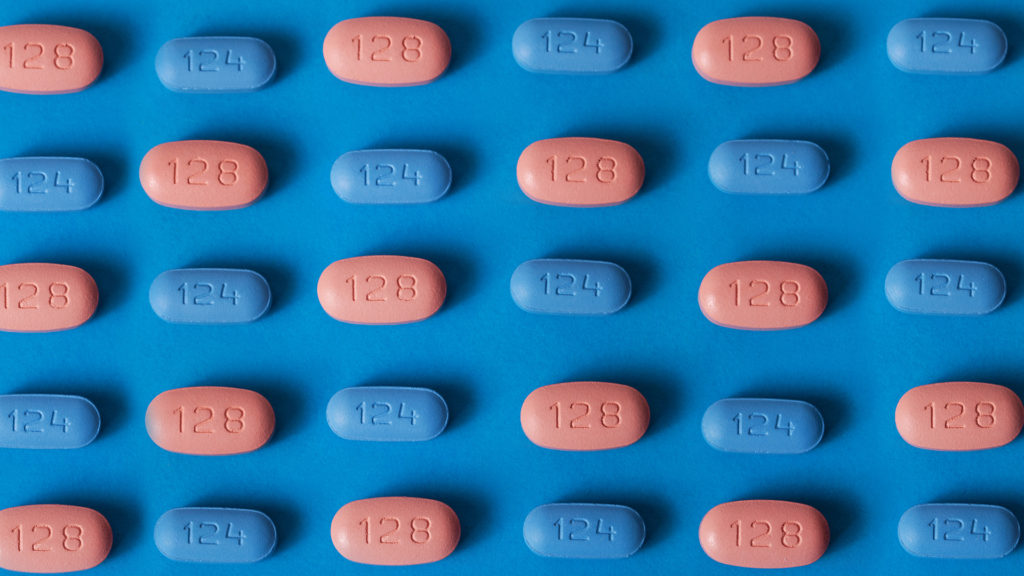
Medications can reduce the virus in the body to such a low level that it will not show up in tests and cannot be transmitted through sexual contact. A low viral load means a healthier immune system and helps prevent HIV from progressing to AIDS.

The content on this page is for educational and informational purposes only. It does not replace or substitute for a consultation with a doctor or other healthcare professional.


Related topics