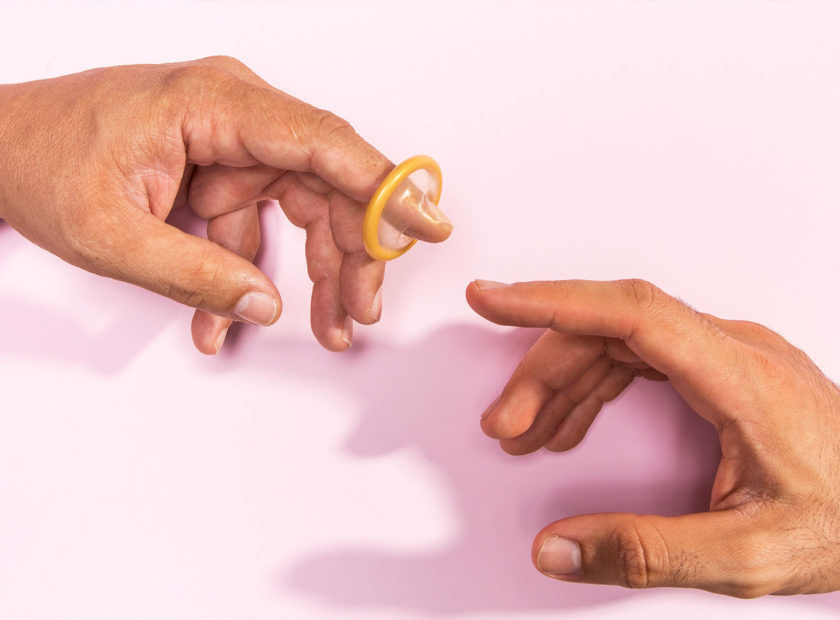
By: Myrna Liz Rodríguez
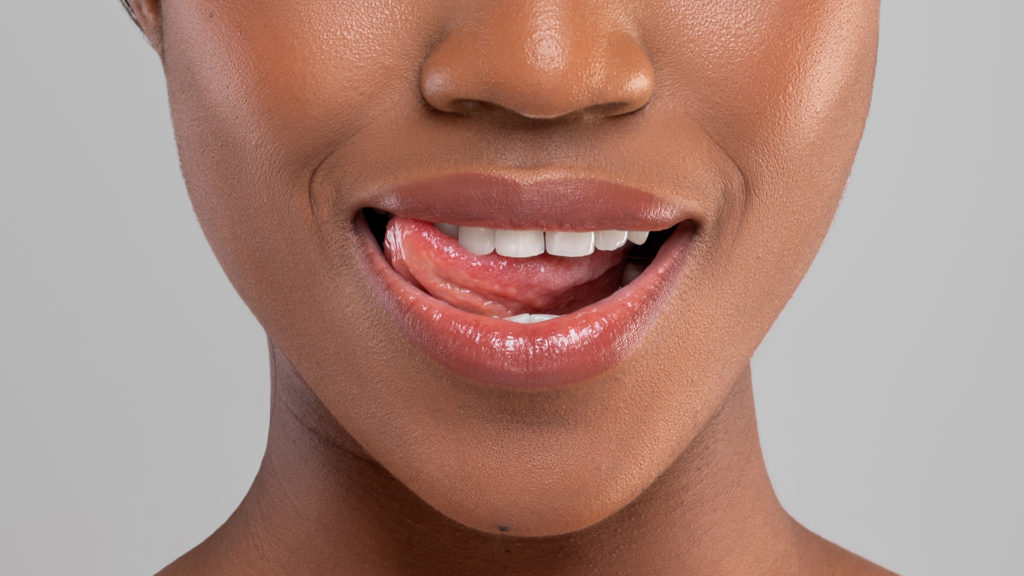
Oral intercourse (or oral sex) involves using the mouth, lips or tongue to stimulate a partner's penis (fellatio), vagina (cunnilingus) or anus (anilingus).
Many Sexually Transmitted Infections (STIs) such as chlamydia, hepatitis (A and B), human papillomavirus, gonorrhea, syphilis, herpes and HIV can be spread through oral sex. Anyone exposed to an infected partner can contract an STI in the mouth, throat, genitals, or rectum. While oral sex may present a lower risk of spreading HIV than other types of sex, repeated unprotected exposure may increase the risk of transmission.

That is why the use of a dental dam is recommended. This is a kind of female condom, made of latex and generally measuring about 15 x 20 centimeters. It is placed in the vagina or anus for safe oral sex. Initially, it was created for dentists to use during their procedures, but was later adapted (made thinner, with greater sensitivity) and adopted for intimate use.

The following is a guide to the correct use of dental dam or condoms:
- Always wear a new mouth guard(dental dam) whenever you have oral sex.
- Check the expiration date before opening the package.
- Check the condom for defects or tears.
- Put on the dental dam or condom before having oral sex and leave it in place until you are finished.
- Use water or silicone-based lubricants to prevent breakage.
- Oral barriers should be stored in a cool, dry place.
- Do not reuse the oral barrier.
- Do not use spermicide, as it can cause irritation.
- Do not use oil-based products, such as baby oil, lotions, petroleum jelly or cooking oil, as they may damage or break down the oral barrier.
Remember to protect yourself, and at the Centro Ararat Sexual Health Clinic, Centro Ararat on your side, so you can get your dental dams with just one call to 787-705-3899.
The content on this page is for educational and informational purposes only. It does not replace or substitute for a consultation with a doctor or other healthcare professional.
References:


Related topics