By Tito Orlando Ortiz, MPHE
The human papillomavirus (HPV) is so common that it is estimated that most sexually active people will contract it at some point in their lives. Although HPV can clear up on its own without causing any health problems, in some men it can lead to genital warts, anal cancer, penile cancer, and oropharyngeal cancer.
In the United States, approximately 10% of men have oral HPV, according to the Centers for Disease Control and Prevention (CDC). Generally, after contracting HPV, it may take several years for cancer to develop.

How is the virus transmitted?
HPV can be transmitted through oral, vaginal, or anal sex with a person who has the virus. It can even be transmitted even if the person with HPV has no signs or symptoms. Anyone who is sexually active can contract it, even if they have sex with only one person. It is also possible for symptoms to appear years after having sex with a person who has the virus, according to the CDC.
How can you prevent it?
- Taking Care of Yourself
- Maintaining a strong immune system through a balanced diet, an active lifestyle, managing health conditions, and good hygiene helps the body fight off an HPV infection.
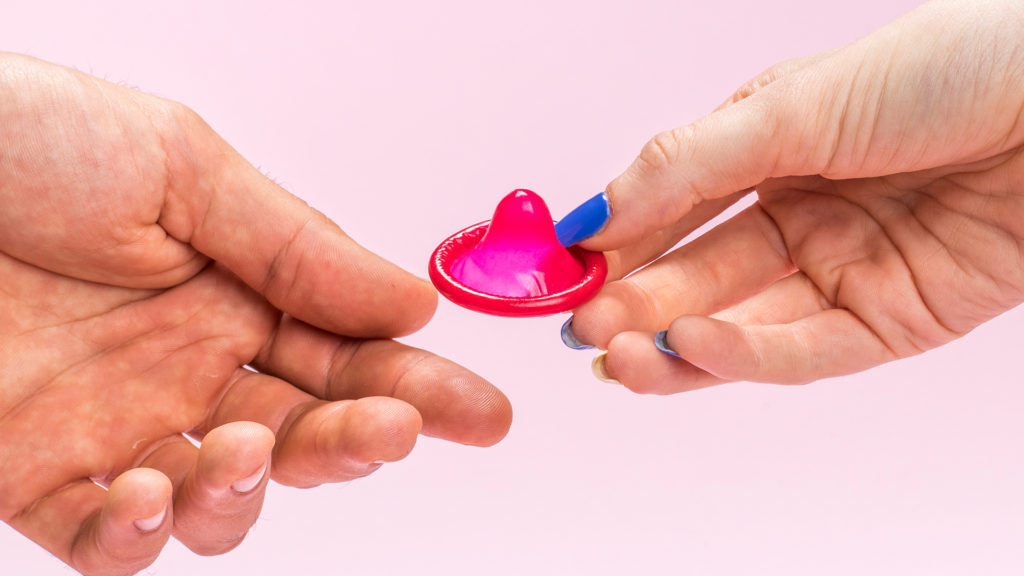
- Use a condom
- It is recommended to use condoms and other barrier methods of protection during anal, vaginal, or oral sex.
- Get vaccinated
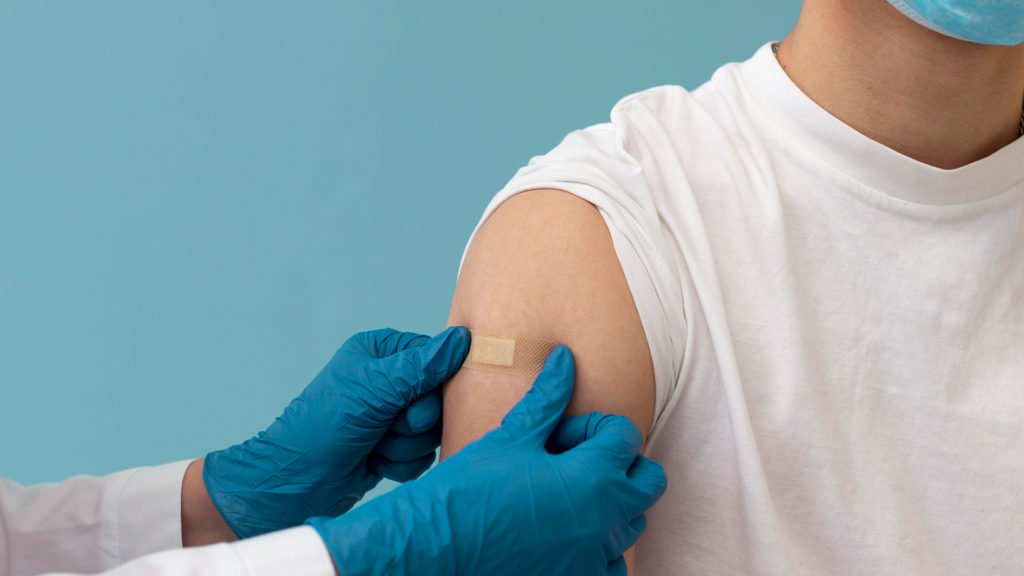
- There is an HPV vaccine that helps significantly reduce the likelihood of contracting an HPV infection and developing cancer.
How is HPV detected in men?
Currently, there is no approved test to detect HPV in men. Several health care providers perform anal Pap tests on men who are HIV-positive and engage in receptive sexual intercourse.
Does the vaccine protect against other sexually transmitted infections (STIs)?
No. Correct and consistent condom use is still necessary to protect against other STIs, even if a person has been vaccinated. In addition, the vaccine protects against 9 of the 40 strains that are transmitted through sexual contact. For men, it protects against those that can cause genital warts and anal cancer.
Who is eligible to get vaccinated?
People between the ages of 9 and 26. Also, people aged 27 to 45, after consulting with their doctor to determine whether they are eligible for the vaccine.
How many doses are administered?
- Two doses if the person is vaccinated between the ages of 9 and 14.
- Three doses if the person is vaccinated after age 15.
The content on this page is for educational and informational purposes only. It does not replace or substitute for a consultation with a doctor or other healthcare professional.
References:
- CDC. (2017). HPV and Men. Retrieved from:
- CDC. (2020). The Human Papillomavirus Vaccine. Retrieved from:
- https://www.cdc.gov/vaccines/parents/diseases/hpv-sp.html
- CDC. (2021). Human Papillomavirus. Retrieved from:
- https://www.cdc.gov/hpv/index.html


Related topics